











Video Sources 0 Views
Synopsis
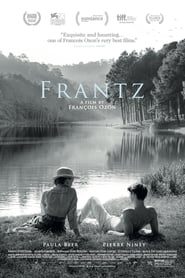
Watch: Frantz 2016 123movies, Full Movie Online – In 1919 Quedlinburg, Germany, a young woman named Anna is still mourning the death of her fiance, Frantz Hoffmeister, in the Great War while living with his equally devastated parents. One day, a mysterious Frenchman, Adrien Rivoire, comes to town both to pay his respects to Frantz’s grave and to contact that soldier’s parents. Although it is difficult for both sides with the bitterness of Germany’s defeat, Adrian explains that he knew Frantz and gradually he wins Anna and the Hoffmeisters’ hearts as he tries to connect with them. Unfortunately, Adrien and Anna discover the truth of his motives and things seem shattered for all. However, when Adrien leaves, Anna has her own struggles with the truth and her feelings until she sets out to find Adrien in France. With that, Anna has her own journey to make in more than one sense, even as they both realize that neither have easy answers to their complex personal conflicts with each other and the dead man linking them..
Plot: In the aftermath of WWI, a young German who grieves the death of her fiancé in France meets a mysterious French man who visits the fiance’s grave to lay flowers.
Smart Tags: #guilty_conscience #world_war_one #post_world_war_one #year_1919 #grave #soldier #la_marseillaise #nationalism #casualty_of_war #war_veteran #1910s #paris_france #german_soldier #french_soldier #trench #poem #hotel #painting #loss_of_fiance #reference_to_paul_verlaine #reference_to_edouard_manet
Find Alternative – Frantz 2016, Streaming Links:
123movies | FMmovies | Putlocker | GoMovies | SolarMovie | Soap2day
Ratings:
 |  7.5/10 Votes: 16,110 |
 | 91% | RottenTomatoes |
 | 73/100 | MetaCritic |
 | N/A Votes: 599 Popularity: 14.608 | TMDB |
Reviews:
A beautifully filmed essay about guilt, lies and loss in the between-wars era
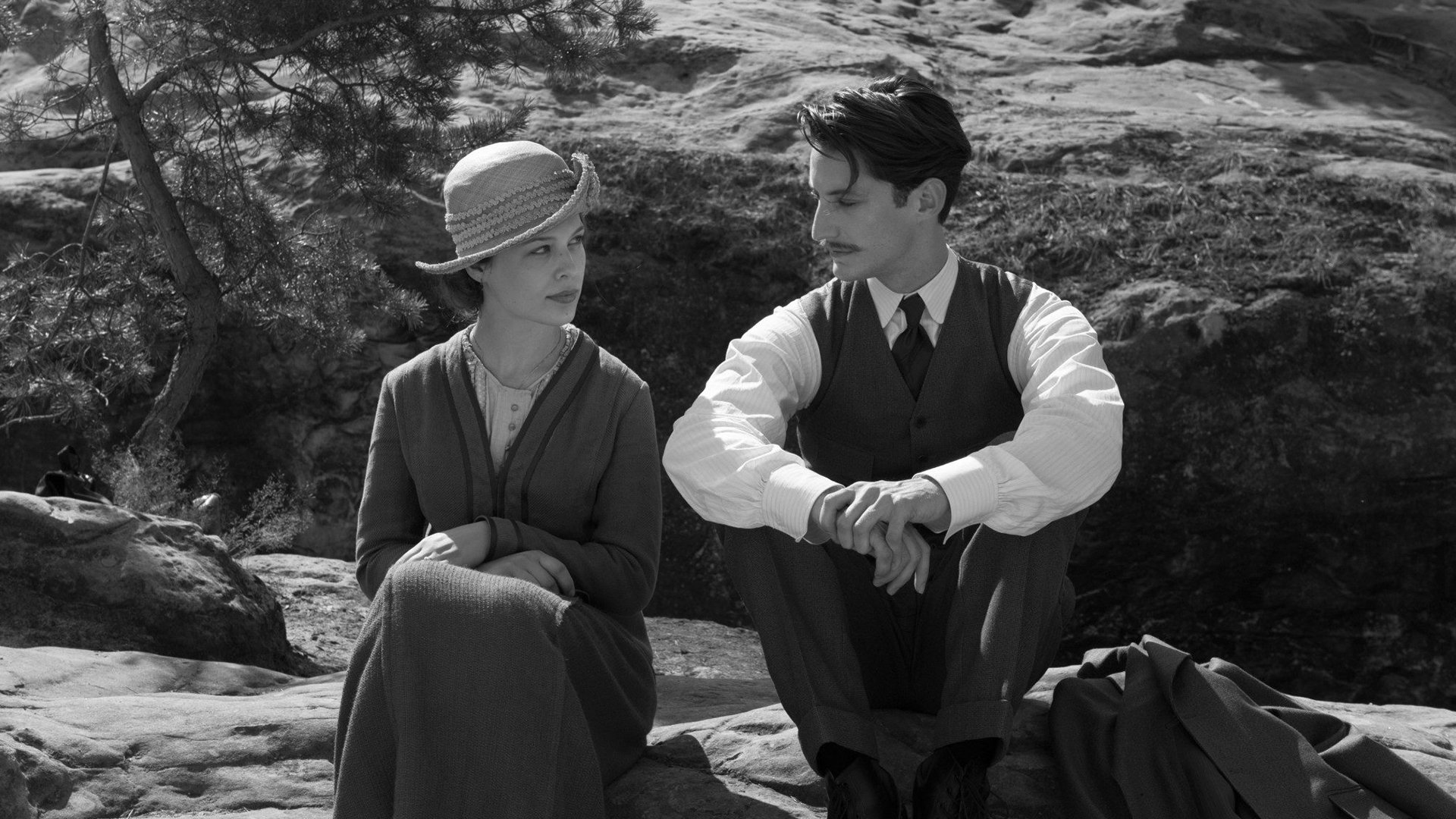
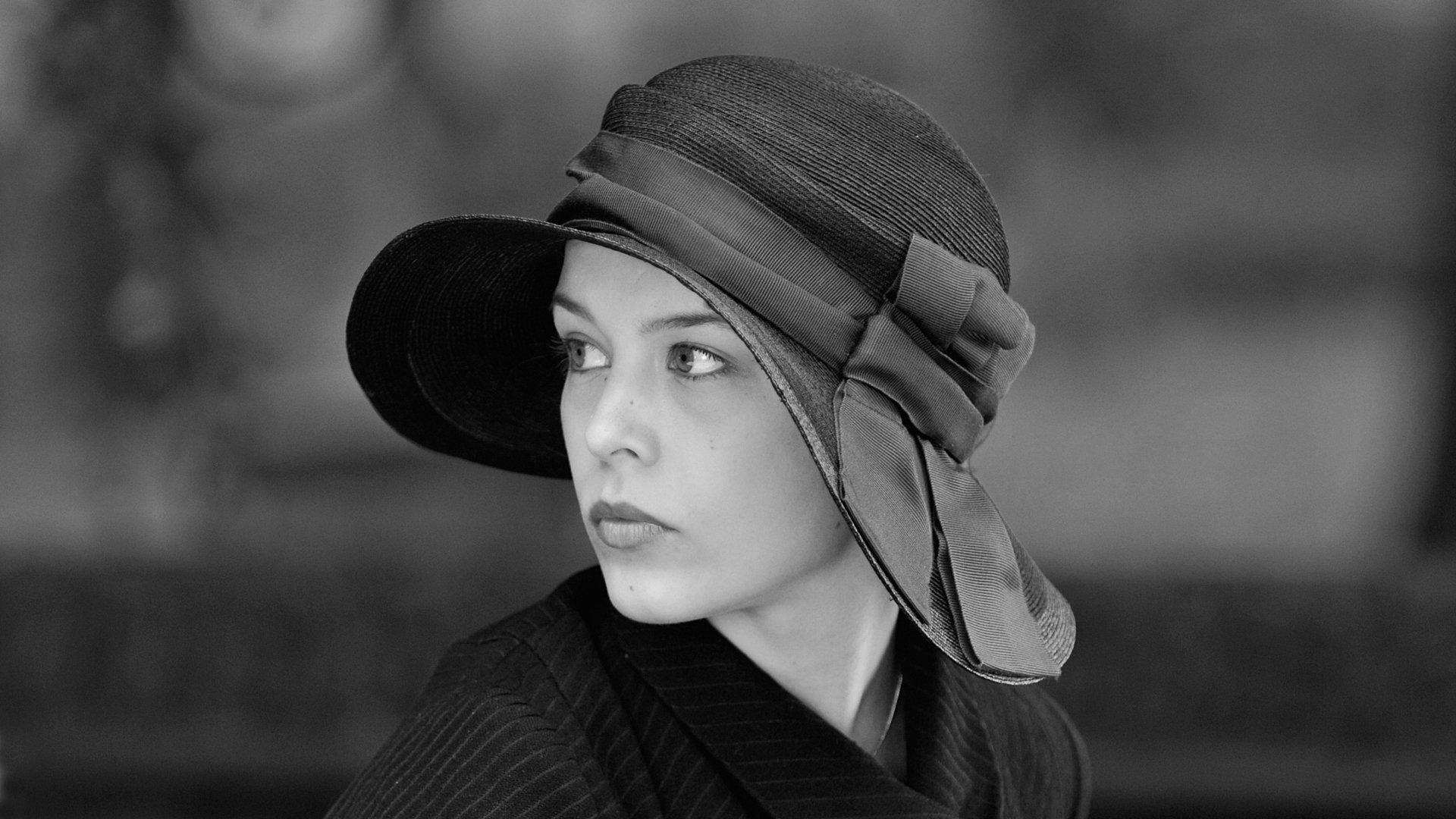
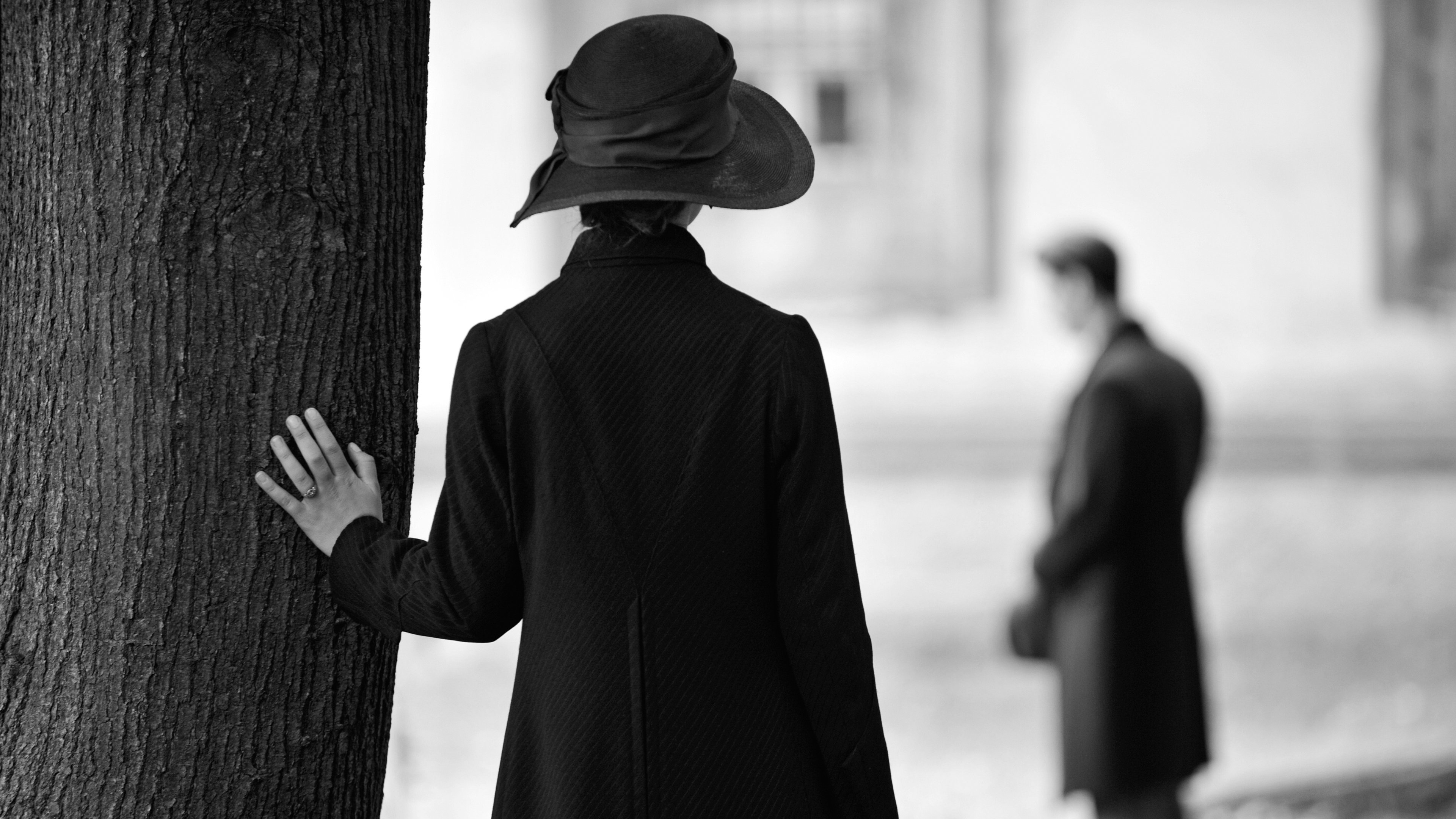
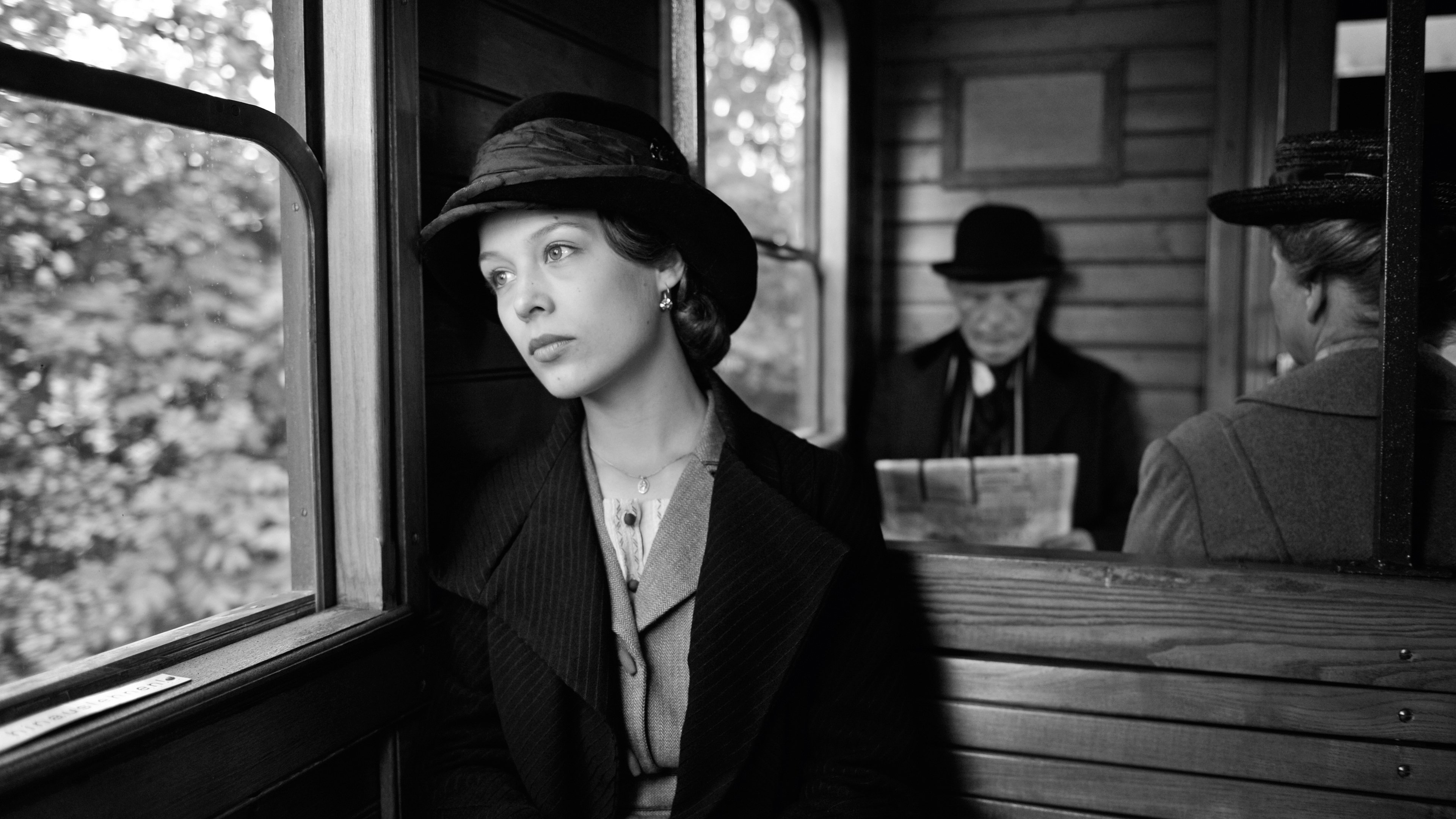
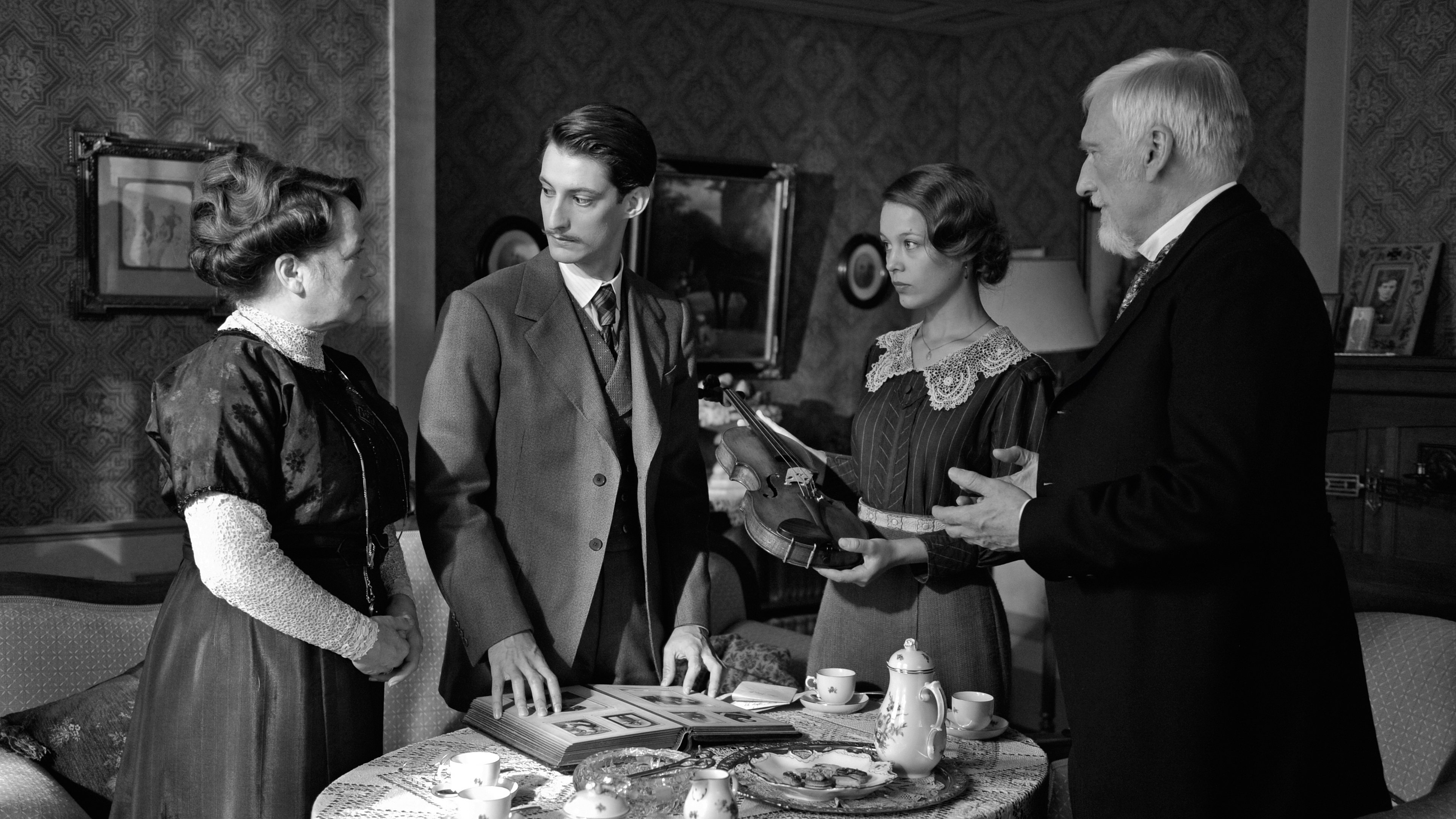
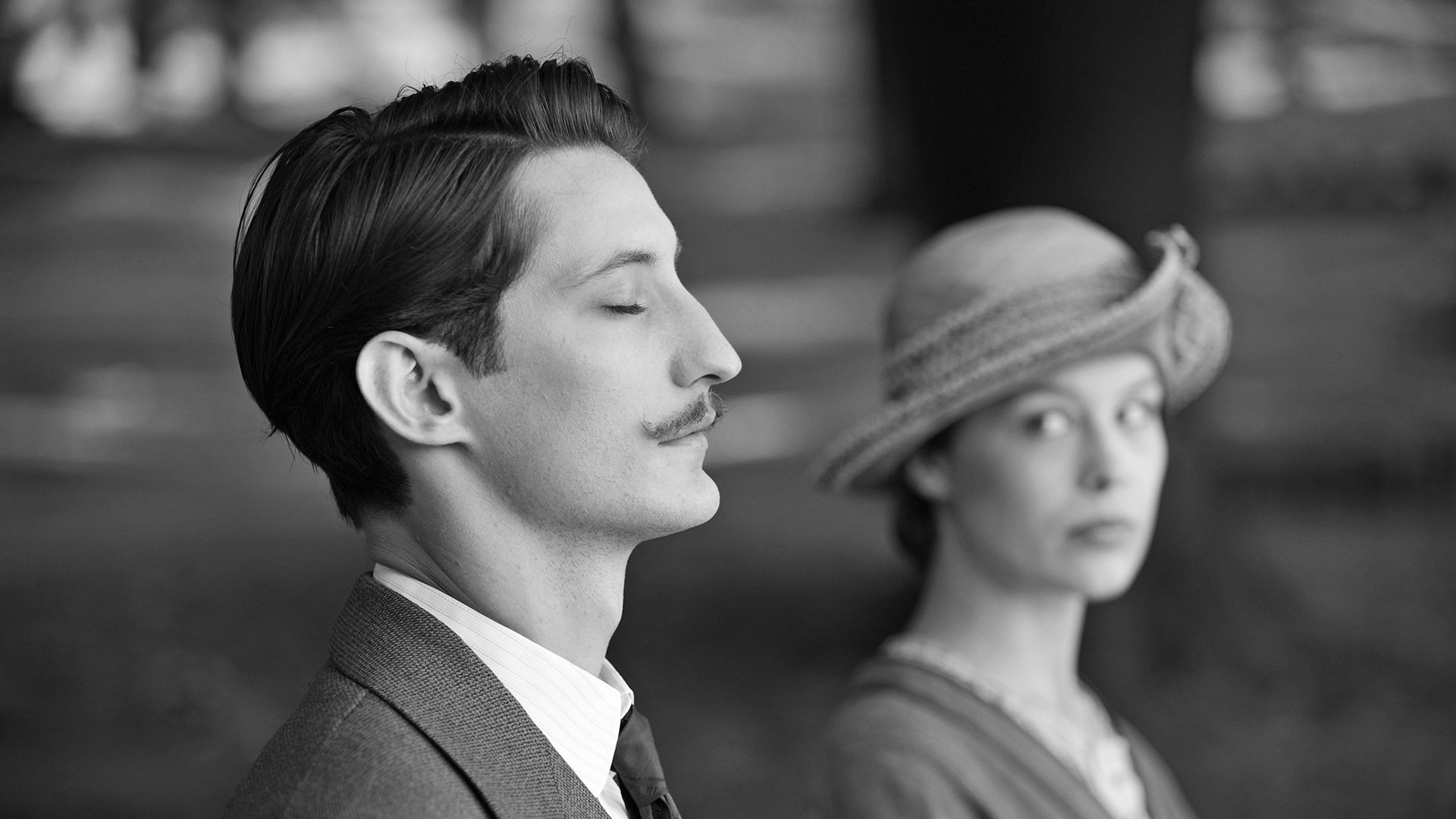
Nations reconcile after war but it is only people who can grant forgiveness. For many, it is an impossible grant that leaves wounds unhealed. This theme dominates the Franco-German film Frantz (2017), a psychological drama about a former soldier’s personal quest for forgiveness. Filmed mostly in black and white, it is a poetically beautiful essay about guilt, lies, and tragic loss, set in the between-wars era.The storyline is shaped by deep grief and national hatreds. In a small German village, Anna (Paula Beer) is grieving the death of her fiancé Frantz who was killed fighting in France. She visits his gravesite daily and one day finds that someone else has left flowers on the grave. A few days later she finds a stranger standing solemnly at the headstone and introduces herself to a brooding Frenchman called Adrien (Pierre Niney). They are soon in conversation and Anna is shocked to hear that Adrien had spent time with Frantz in Paris, sharing a love of music, art, and good times. Anna introduces Adrien to Frantz’s parents who bitterly blame all French people for their son’s death. As the parents hear Adrien share his grief and his memories of Frantz, a bond begins to form between all of them, at first reluctantly then warmly. But the mysterious Adrien is harbouring a tragic secret. Eventually he breaks down and confesses to Anna with whom a romantic attachment has developed. She immediately shuns him and he returns to Paris. Time elapses and she cannot forget him. Urged by the parents, she goes to Paris to find Adrien where she must confront a new loss and learn about forgiveness.
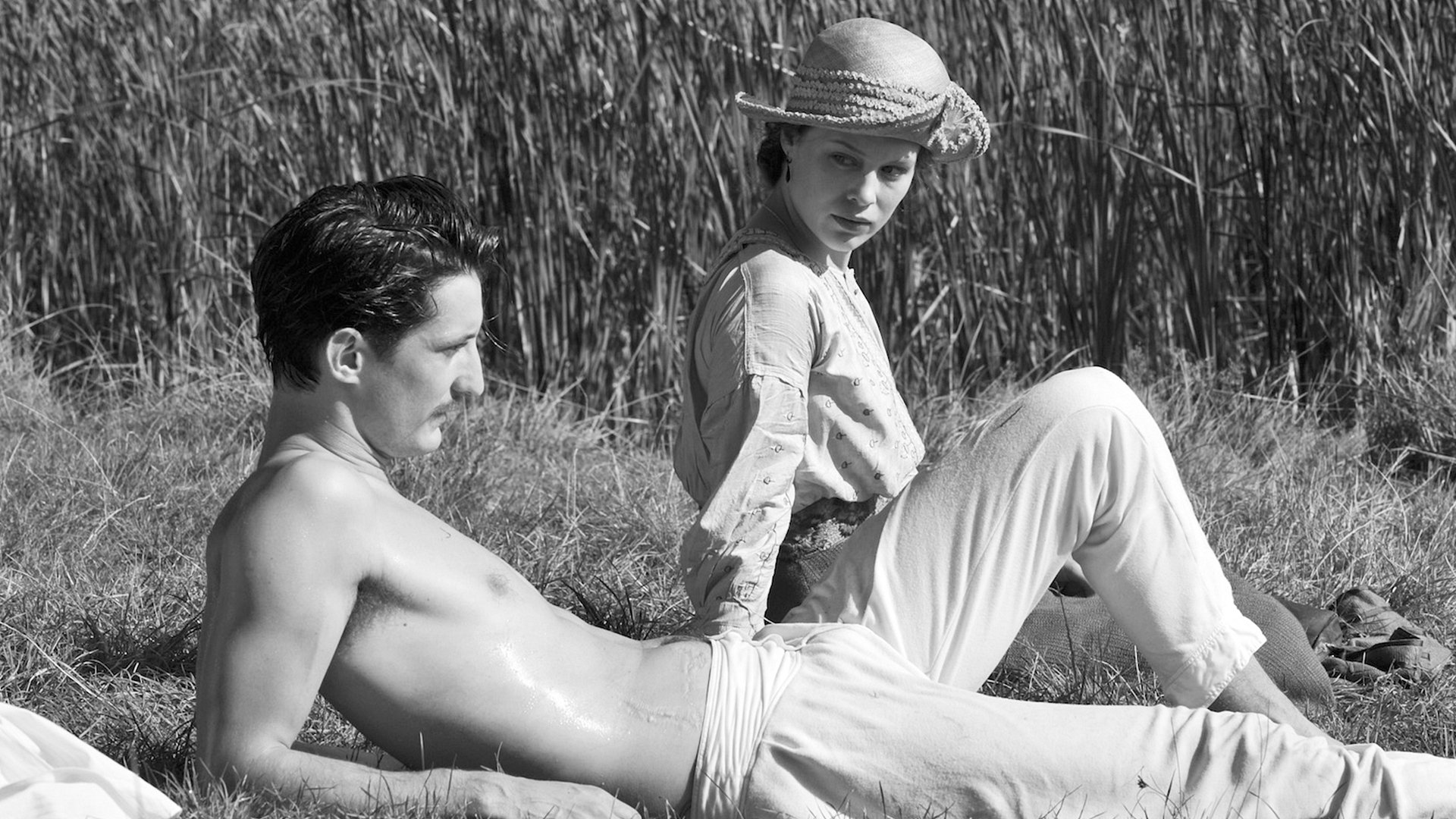
For audiences expecting an action-driven narrative, there little on offer in this film. The story moves forward in sombre but exquisite monochrome and often tense dialogue that is punctuated by a few scenes in colour as respite from melancholy. The performances of its four main roles are laden with emotion but stops short of melodrama. The principals Paula Beer and Pierre Niney give finely nuanced performances evoking the behavioural norms of the era. All performances are high-wire acts of emotion and dramatic tension: the pain on the parent’s faces when they hear stories of their son is palpable and the tense suppression of Adrien’s dark secret is electric. Anna’s struggle between her loyalty to the cherished memory of Frantz and the possibility of new love is mirrored in the Franco-German struggles with blame, guilt, grief, and hope. As the relationship between Anna and Adrien strengthens there are several lyrical scenes of languid days enjoyed at the side of a pond that are composed like painting masterpieces and emblematic of the artistry brought to the making of this film.
Frantz is multi-layered with intense emotion that is explored at the personal and national levels. Truth is always the first victim of war and where truth fails, lies, promises and secrets take over. Frantz can rightly be described as an art-house feminist film. By taking Anna’s viewpoint it encompasses universal themes of agency over victimhood that empower her to move on in her life.
Review By: CineMuseFilms
provocative
First, because it is an Ozon. so, your expectations are well defined. second – it seems be familiar. your memories about “Broken Lullaby” are the basic clue. but, “Frantz” is different. special. surprising. yes, provocative. for motifs out of words. it is a love story. and more. it is a war film. and more. it is the story of a meeting and discover and family and clash between different cultures. and, off course, more. because all has the status of source for new steps on a way without rules, limits and forms of delicacy remaining unique. a film like one of yours memories. seductive. moving. discret . convincing. like an old song . or a flavour. so, an experience. fragil, strange, useful. about force and vulnerability. preserving not only the realistic images of a lost period but, in refreshing manner, its spirit. so, “Frantz”. it is enough its title for define each aspect of this, in charming way, film.
Review By: Kirpianuscus
Other Information:
Original Title Frantz
Release Date 2016-09-07
Release Year 2016
Original Language fr
Runtime 1 hr 53 min (113 min)
Budget 0
Revenue 7478354
Status Released
Rated PG-13
Genre Drama, History, Romance
Director François Ozon
Writer François Ozon, Philippe Piazzo, Ernst Lubitsch
Actors Pierre Niney, Paula Beer, Ernst Stötzner
Country France, Germany
Awards 7 wins & 37 nominations
Production Company N/A
Website N/A
Technical Information:
Sound Mix Dolby Digital
Aspect Ratio 2.39 : 1
Camera Arricam LT, Zeiss Master Prime and Angenieux Optimo Lenses, Arricam ST, Zeiss Master Prime and Angenieux Optimo Lenses
Laboratory Laboratoires Éclair, Paris, France (optical transfers)
Film Length N/A
Negative Format 35 mm (Eastman Double-X 5222, Kodak Vision3 500T 5219)
Cinematographic Process Digital Intermediate (4K) (master format), Super 35 (source format)
Printed Film Format 35 mm (Kodak Vision 2383), D-Cinema, DCP



Original title Frantz
TMDb Rating 7.417 599 votes
Director

Director
Cast
Similar titles