









Video Sources 0 Views

Synopsis
Watch: Gone with the Wind 1939 123movies, Full Movie Online – Scarlett is a woman who can deal with a nation at war, Atlanta burning, the Union Army carrying off everything from her beloved Tara, the carpetbaggers who arrive after the war. Scarlett is beautiful. She has vitality. But Ashley, the man she has wanted for so long, is going to marry his placid cousin, Melanie. Mammy warns Scarlett to behave herself at the party at Twelve Oaks. There is a new man there that day, the day the Civil War begins. Rhett Butler. Scarlett does not know he is in the room when she pleads with Ashley to choose her instead of Melanie..
Plot: The spoiled daughter of a well-to-do plantation owner is forced to use every means at her disposal to claw her way out of poverty, following Maj. Gen. William Sherman’s “March to the Sea,” during the American Civil War.
Smart Tags: #narcissism #based_on_novel #american_civil_war #black_stereotype #narcissistic_personality_disorder #high_society #widow #african_american_servant #lure_of_riches #wealth #brothel #pantaloon #horse_falls_over #lost_cause #confederate_states_of_america #battle_of_the_sexes #death_of_daughter #south #plantation #mammy #poverty
Find Alternative – Gone with the Wind 1939, Streaming Links:
123movies | FMmovies | Putlocker | GoMovies | SolarMovie | Soap2day
Ratings:
 |  8.2/10 Votes: 315,348 |
 | 90% | RottenTomatoes |
 | 97/100 | MetaCritic |
 | N/A Votes: 3417 Popularity: 28.761 | TMDB |
Reviews:
Margaret Mitchell won the Pulitzer Prize for her novel on May 3rd, 1937
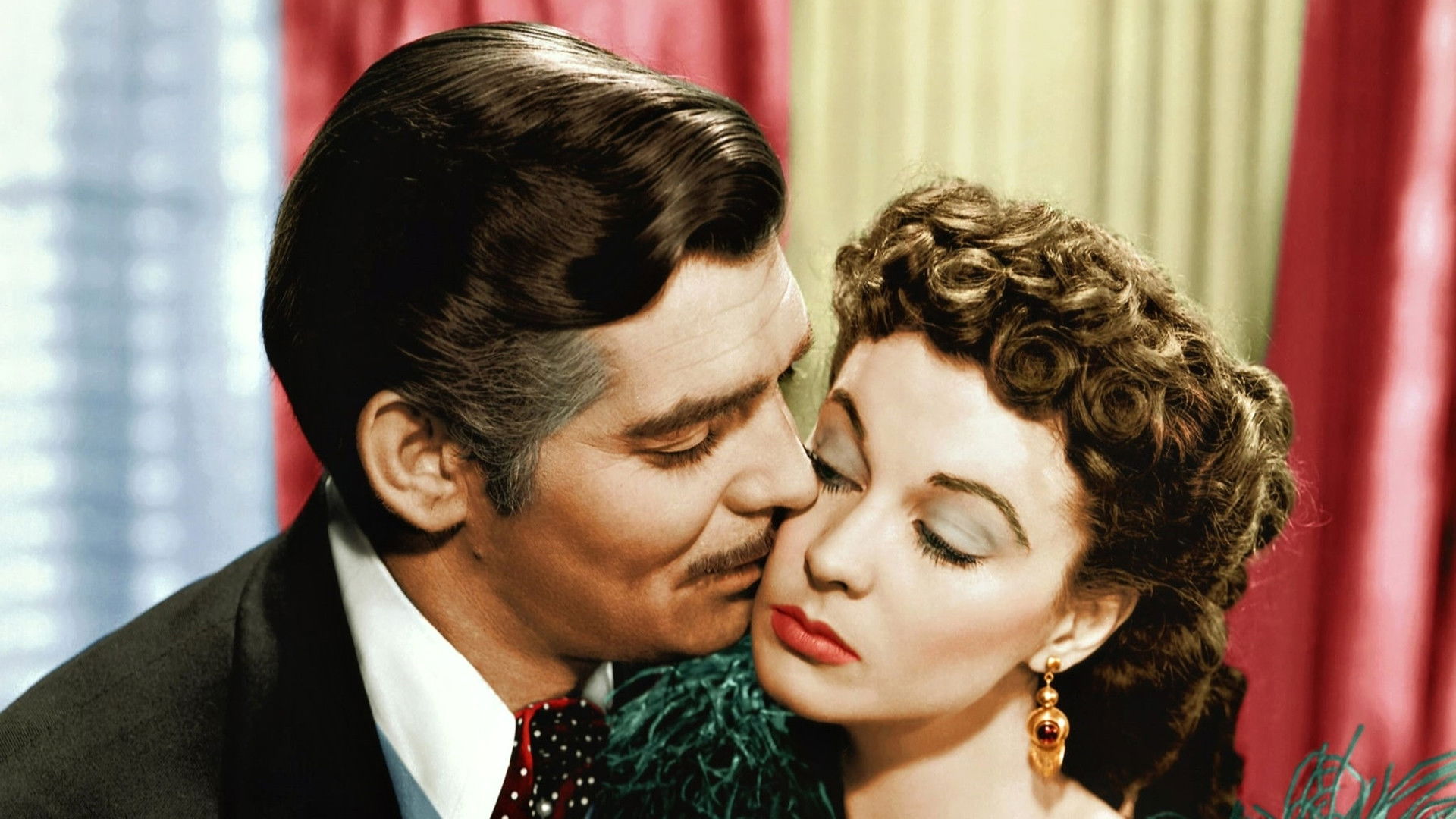
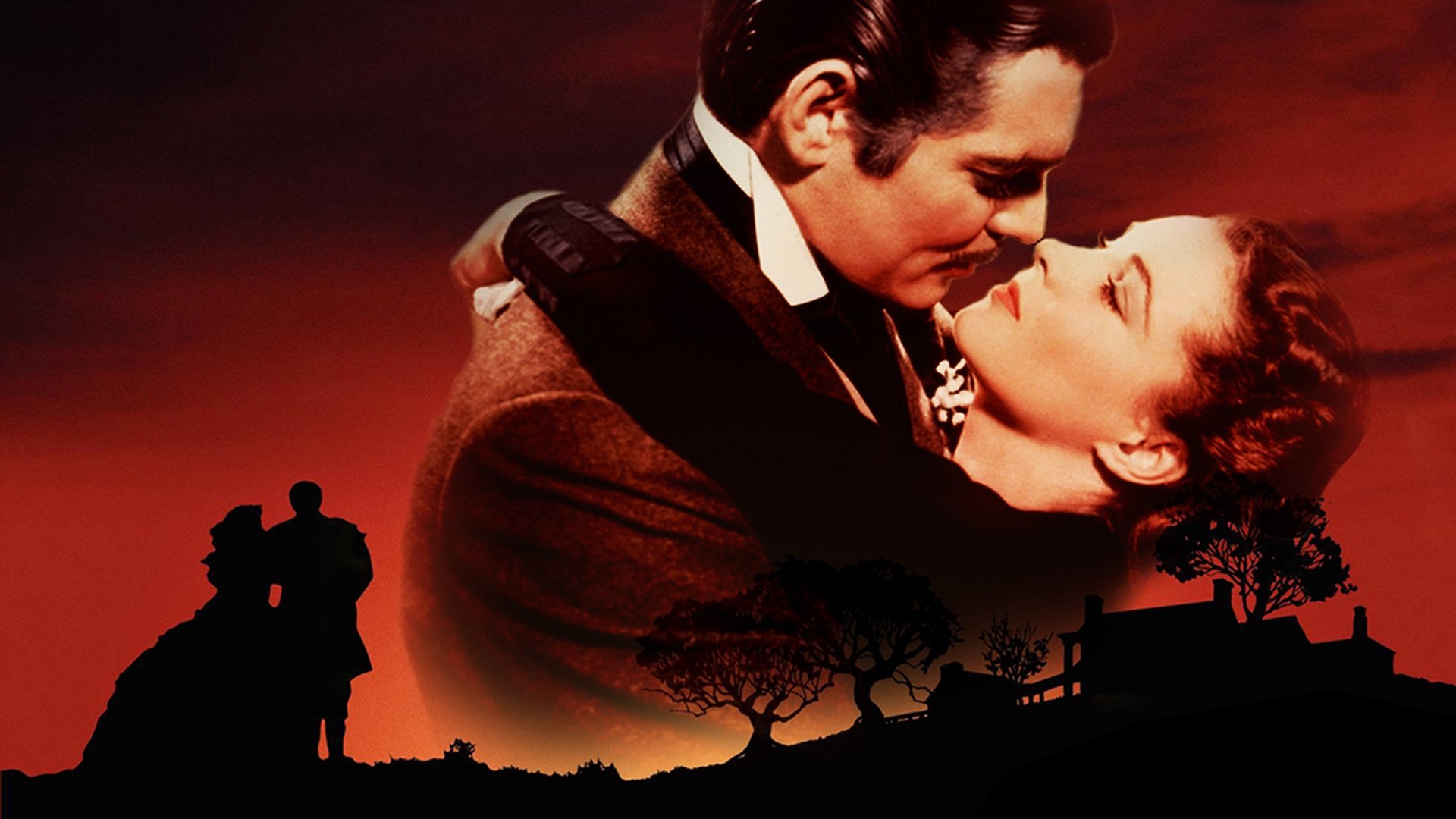
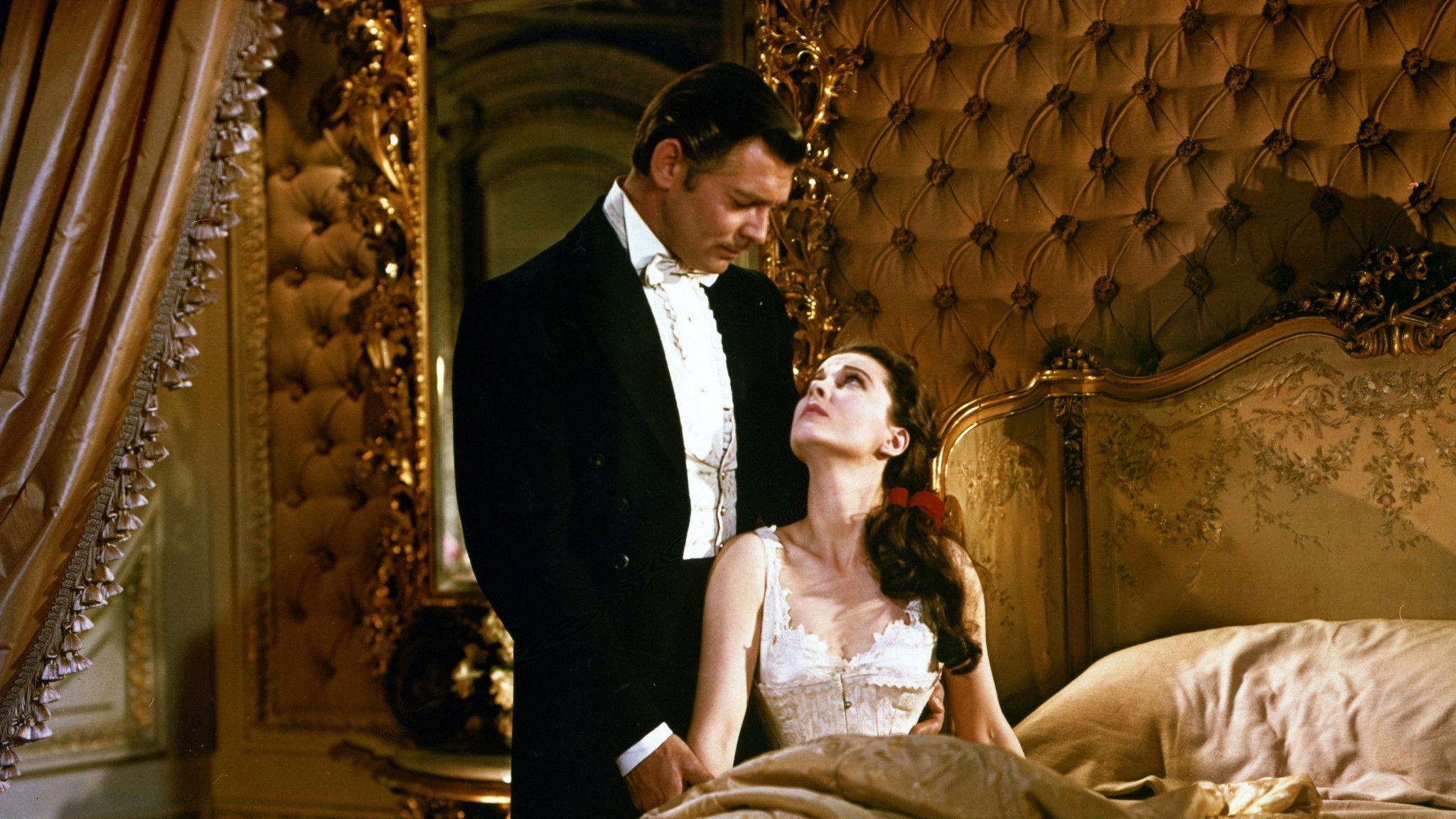
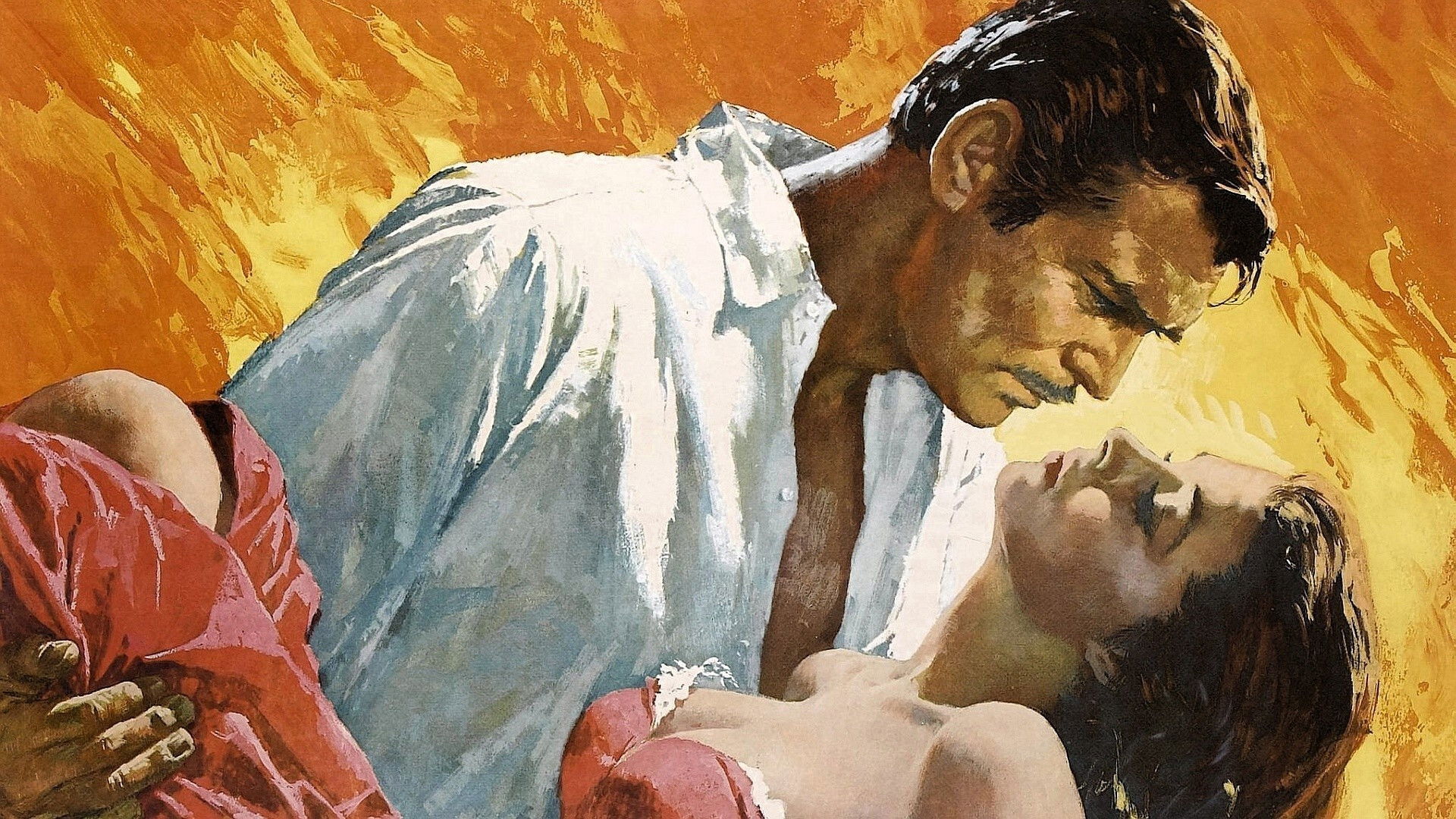
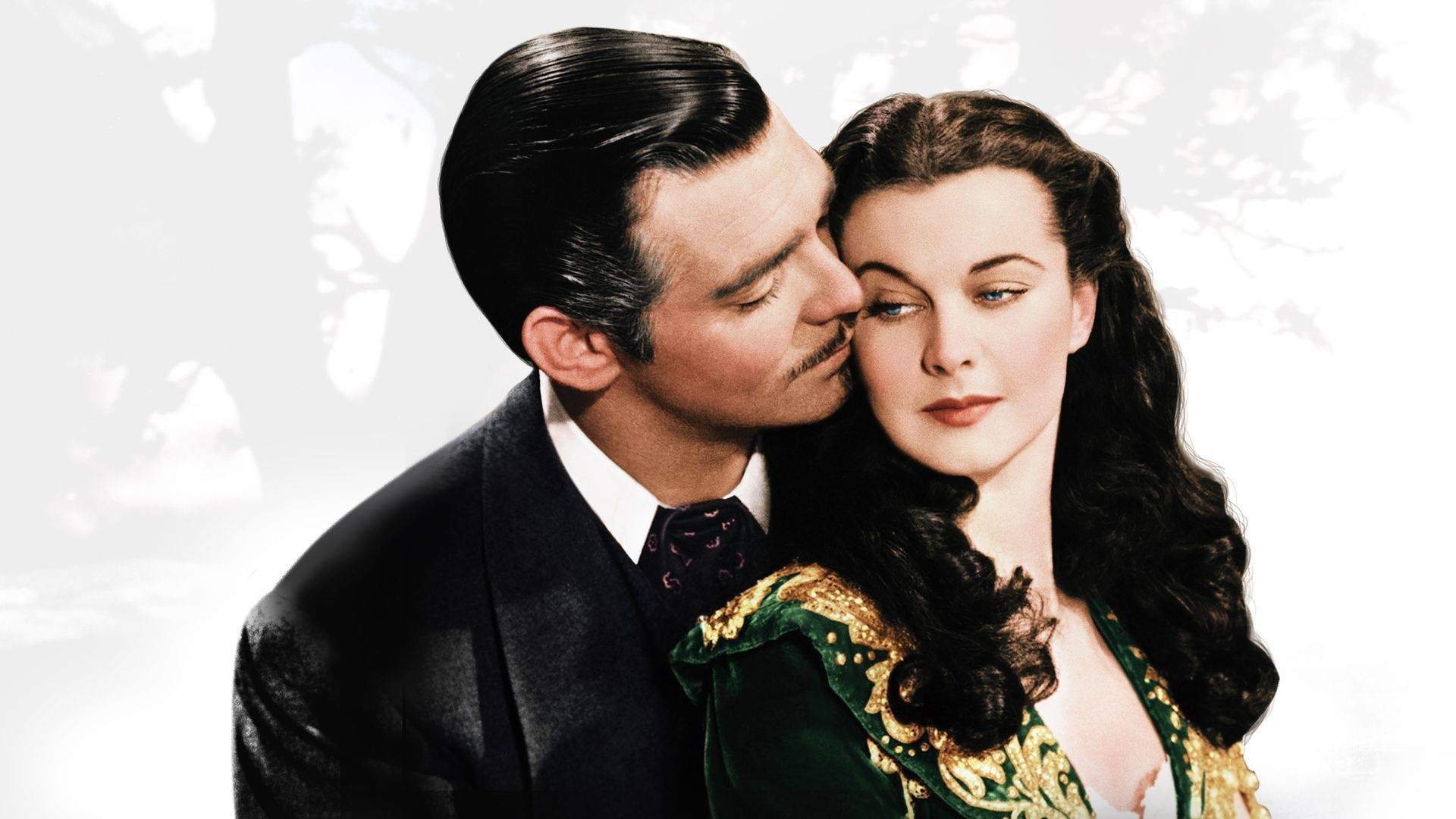
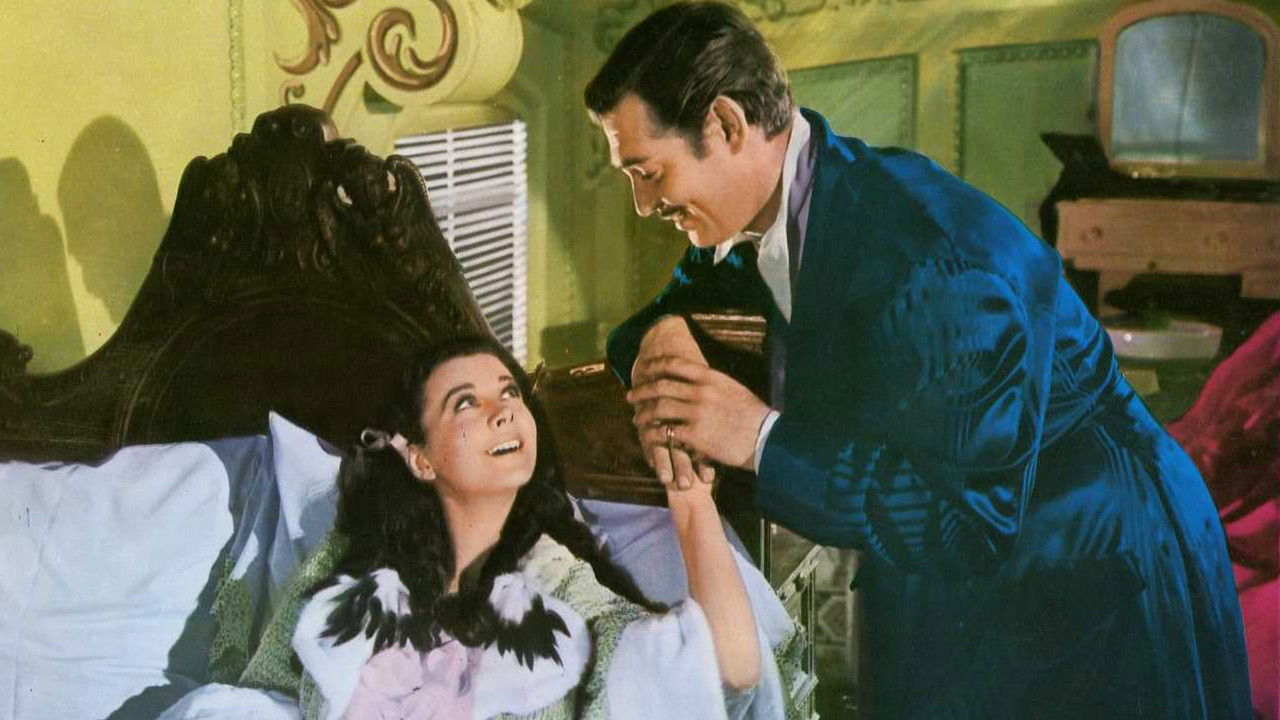
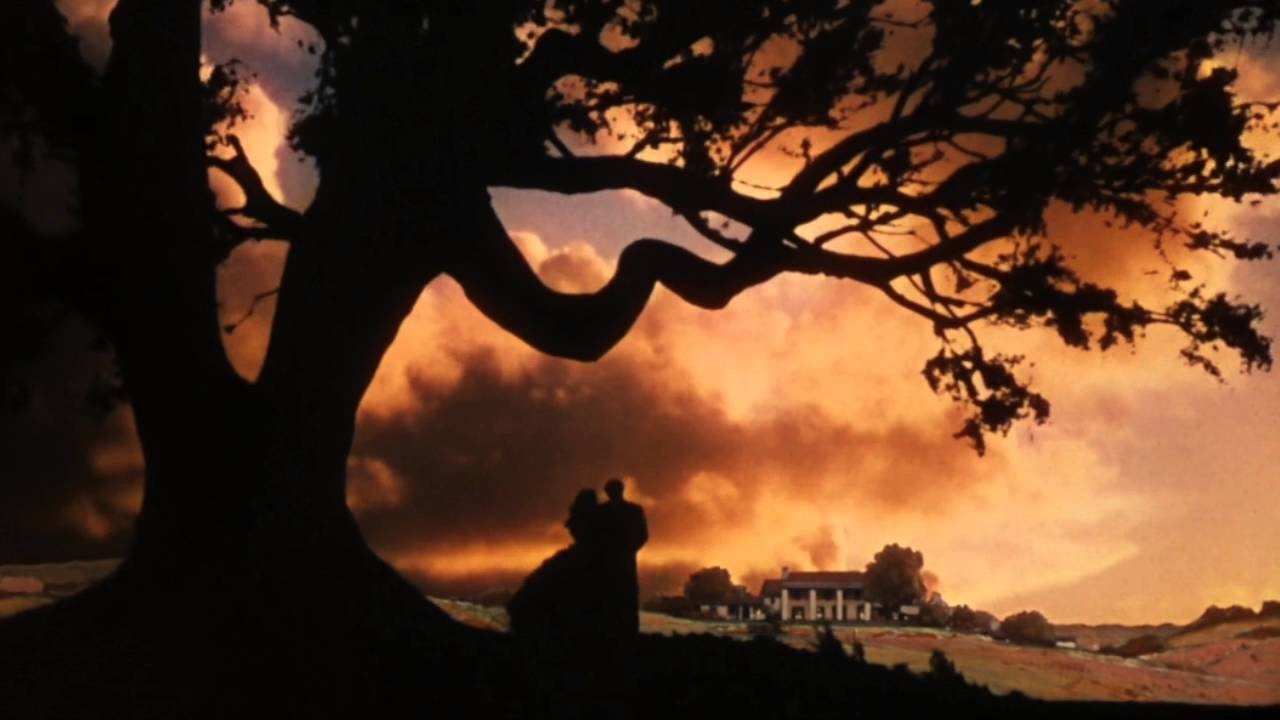
The year 1939 was a busy year for the Hollywood industry. Large-scale, majestic epics were front and center that year. You should look up the list of films released in 1939. It was a very, busy year, with huge titles from the golden age. Lots and lots of entertainment for a pre-WW2 audience. The Wizard of Oz (1939), Stagecoach (1939), Son of Frankenstein (1939), Drums Along the Mohawk (1939) and this little film, are just some of the titles on that list. Everyone was competing for perfection in the film industry. The first two hurtles, being sound and color film, had been implemented into the technical side of the filmmaking process, to this point in film history. Technicolor had been utilized for, about, five years to this point and it was perfectly utilized in this film too. Technicolor always was a good film stock, rich with colors, that pop on the screen. Head cinematographer, Ernest Haller’s camera, captures images, not seen before on film and blazes colors across the screen, in Gone With the Wind (1939).I’m sure everyone knows the basic premise of the film. It boils down to a story about the life of woman, a daughter of a rich cotton plantation owner in 1860s, Georgia, who’s life interweaves with the real life events of the American Civil War and the recovery and reconstruction years. It is a fictitious story utilizing events from the real world. Of course, most of us remember the picture on the movie posters of Scarlett O’Hara (Vivien Leigh) and Rhett Butler (Clark Gable), locked in that emotional, romantic embrace, plus it’s on the cover of every DVD and Blu-Ray out there these days, but the film is really about Scarlett and all the other characters come into her circle. And, the film needs to be about Scarlett in order to be successful, because it is her spoiled, selfish, smug demeanor that energizes the whole film. Everyone who comes into her circle feels her wrath, even Rhett. Rhett isn’t really a very likeable character either and watching these two unlikeable characters square off, through various parts of this film, is something to see. These are the reasons, that make this film so good. A plot involving two unlikeable characters, who eventually, reach a certain amount of maturity, that they earn some respect from the audience, doesn’t deter from the overall quality of the film, because it is such a unique character study, while chaos is happening all around them.
The film does contain many sub-plots, involving politically, socially, culturally and racially charged tones, which would be expected, considering the time this period piece takes place. Which, brings up another interesting point to this film. Even though this film is approaching 85 years old now in the 21st century, it is still considered a period piece. The interesting part is the filmmakers had a more recent memory of the events used in the film, being only 75 years before, as opposed to our view, which is roughly 150 years later. In fact, there probably were a couple of Civil War veterans still alive in 1939. Another amazing thing about this film is, they started shooting this thing in January, 1939 and released it just before Christmas that same year. That is impressive, considering the massive runtime of this film. It is the runtime of this film that really hurts it from being a perfect film.
The images the filmmakers (I would list names, but you should see the Crew List on this film), are able to show us on the screen, is incredible. The color you will have stuck in your head, for a week after viewing this film, will be the color of orange, red fire, that is seen throughout the movie and obviously, mostly comes from the burning of Atlanta. A technical achievement, that hadn’t been seen in the movies yet. The special effects, art direction, costuming and lighting is fantastic. You still don’t notice, even today, that most of this movie was just filmed, out in the Los Angeles countryside and on sound stages. So much is going on in this film, you don’t notice it. The performances by the cast is perfect. This is an epic journey about redemption and maturing. A maturity that helps the characters and a nation begin to grow. This film would roll through the Oscars in 1940, including winning the Best Picture Oscar.
9.3 (A MyGrade) = 9 IMDB.
Review By: PCC0921
All-time classic
I was put off watching this for a long time, mainly because I mistakenly believed it to be an old-fashioned romance. Boy, was I wrong. In fact, it’s a story of how two maladjusted characters come together and the volatile relationship that progresses.That’s the central thrust of the tale, but there’s a whole lot more to GONE WITH THE WIND than that. It’s an epic reconstruction of a by-gone era, a pre-Civil War American South in which man and slave lived side by side. It’s a war story featuring some hugely impressive pyrotechnic effects which must have blown cinema-goers away on first release. And it’s an exploration of the darkest reaches of the human condition.
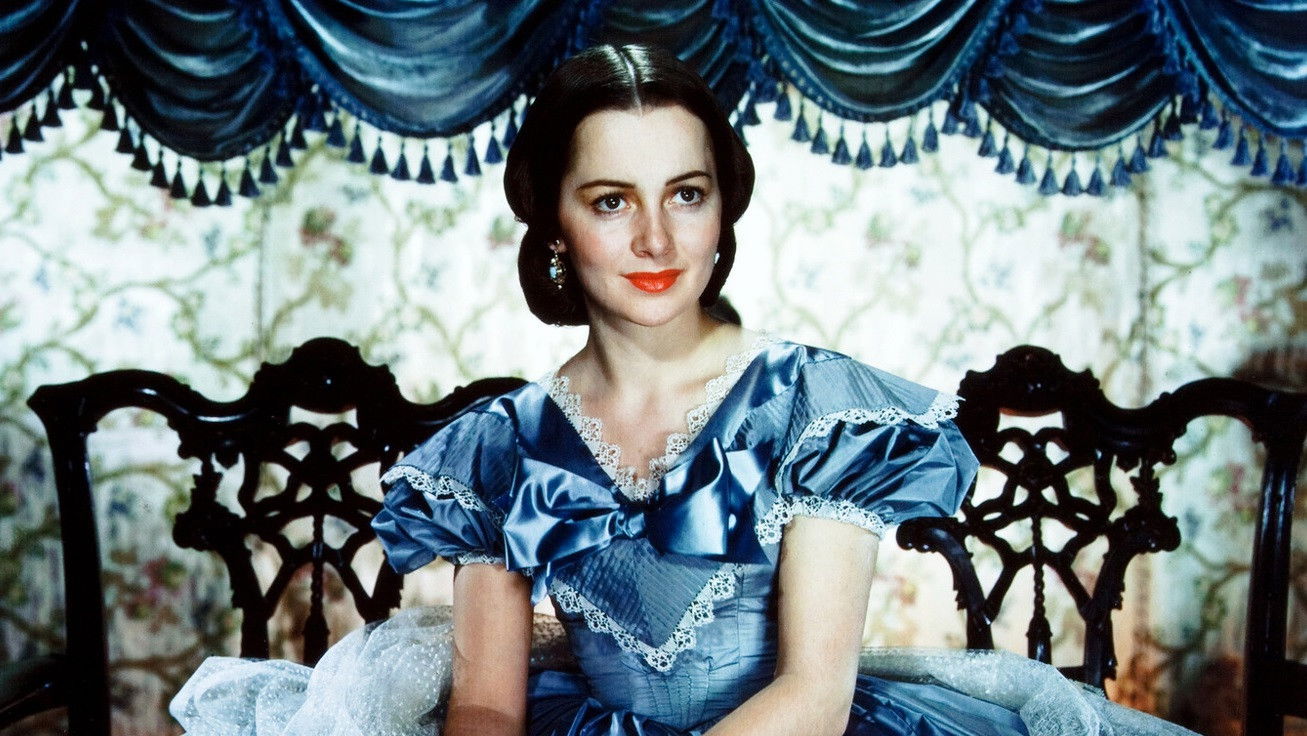
The actors are fantastic. Vivian Leigh really makes something of what must have been a difficult role to play. It’s especially noticeable with Olivia de Havilland starring in the traditional role of the beautiful, warm-hearted heroine, and then seeing Leigh’s haunted, bitter and vengeful character appearing opposite her in contrast. I especially liked Clark Gable, who exudes charisma from every pore.
The production values are immaculate, the supporting cast don’t put a foot wrong, and the ultra-lengthy running time flies past thanks to the viewer’s involvement in the events that unfold. Tragic, shocking, moving and heart-warming in equal measure, GONE WITH THE WIND truly is a film for the ages.
Review By: Leofwine_draca
Other Information:
Original Title Gone with the Wind
Release Date 1939-12-15
Release Year 1939
Original Language en
Runtime 3 hr 58 min (238 min), 3 hr 43 min (223 min) (1969 re-release) (Sweden), 3 hr 54 min (234 min) (1985 re-release) (Sweden), 3 hr 44 min (224 min) (1994 re-release) (UK), 3 hr 53 min (233 min) (1989 re-release) (UK), 3 hr 46 min (226 min) (copyright length)
Budget 4000000
Revenue 402352579
Status Released
Rated Passed
Genre Drama, Romance, War
Director Victor Fleming, George Cukor, Sam Wood
Writer Margaret Mitchell, Sidney Howard, Oliver H.P. Garrett
Actors Clark Gable, Vivien Leigh, Thomas Mitchell
Country United States
Awards Won 8 Oscars. 22 wins & 12 nominations total
Production Company N/A
Website N/A
Technical Information:
Sound Mix Mono (Western Electric Sound System), Dolby Digital (Dolby 2.0), DTS (DTS-X), Dolby (Dolby Atmos)
Aspect Ratio 1.75 : 1 (1954 Reissue), 2.20 : 1 (1967 70mm reissue), 2.21 : 1 (70mm prints), 1.37 : 1
Camera Technicolor Three-Strip Camera, Bausch and Lomb Baltar Lenses
Laboratory Technicolor
Film Length 6,187 m, 6,512 m (Italy), 7,360 m, 7,882 m (70 mm) (Italy), 6,090 m (Sweden), 6,405 m (re-release 1985) (Sweden)
Negative Format 35 mm (Technicolor), 35 mm (Three-Strip Technicolor)
Cinematographic Process Technicolor, Spherical
Printed Film Format 16 mm (Flat B/W, IB TECH, LPP, Eastman), 35 mm (anamorphic) (1998 re-release), 70 mm (blow-up) (1967 re-release), 8 mm, Technicolor Dye transfer prints (35mm), 35 mm (Technicolor)
Cast and characters
- Vivien Leigh
- Clark Gable
- Olivia de Havilland
- Leslie Howard
- Hattie McDaniel
- Thomas Mitchell


Original title Gone with the Wind
TMDb Rating 7.993 3,417 votes
Director

Director
Cast
Similar titles