


Video Sources 0 Views

Synopsis
Watch: The Big Trail 1930 123movies, Full Movie Online – Breck leads a wagon train of pioneers through Indian attack, storms, deserts, swollen rivers, down cliffs and so on while looking for the murder of a trapper and falling in love with Ruth..
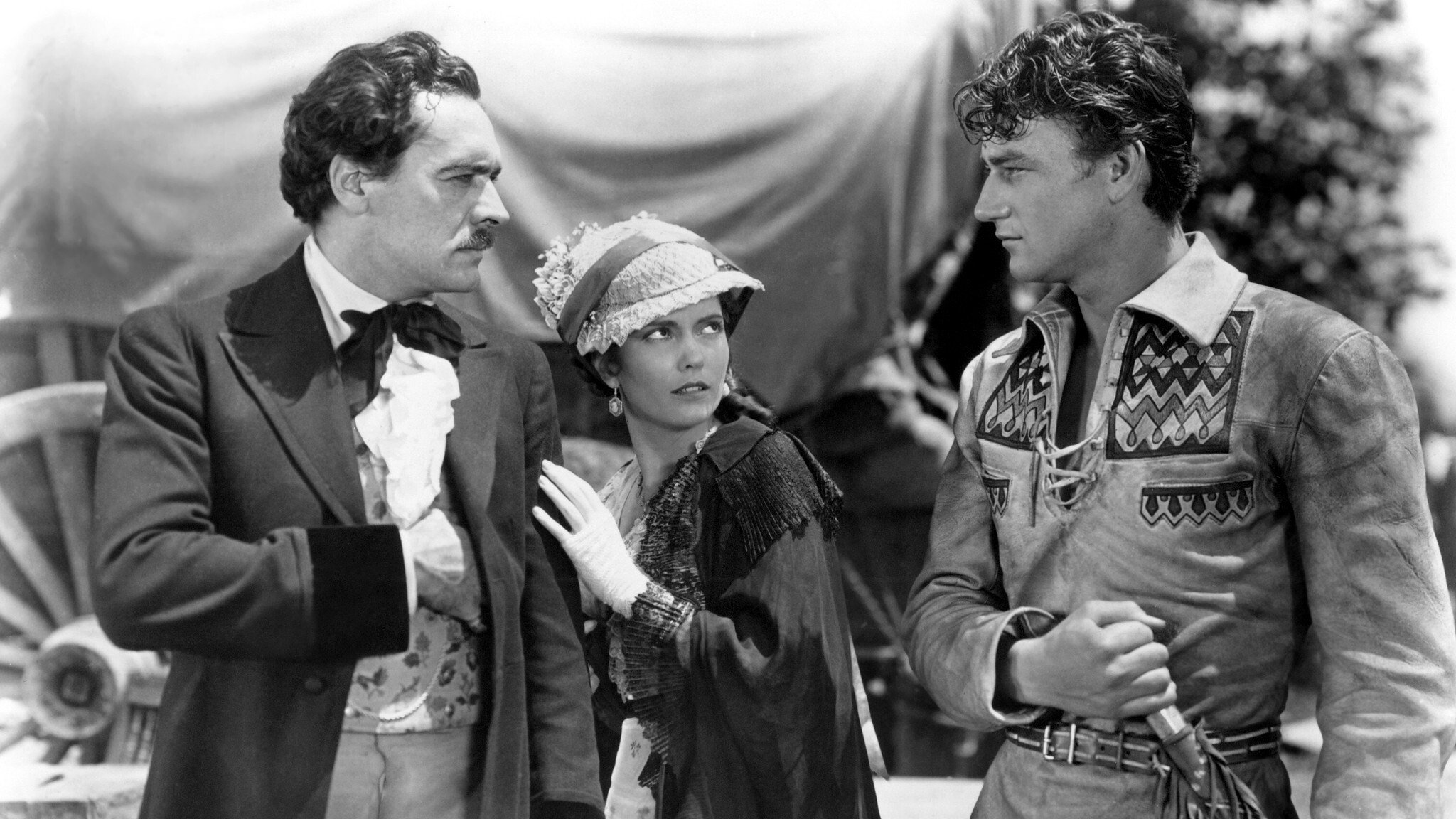
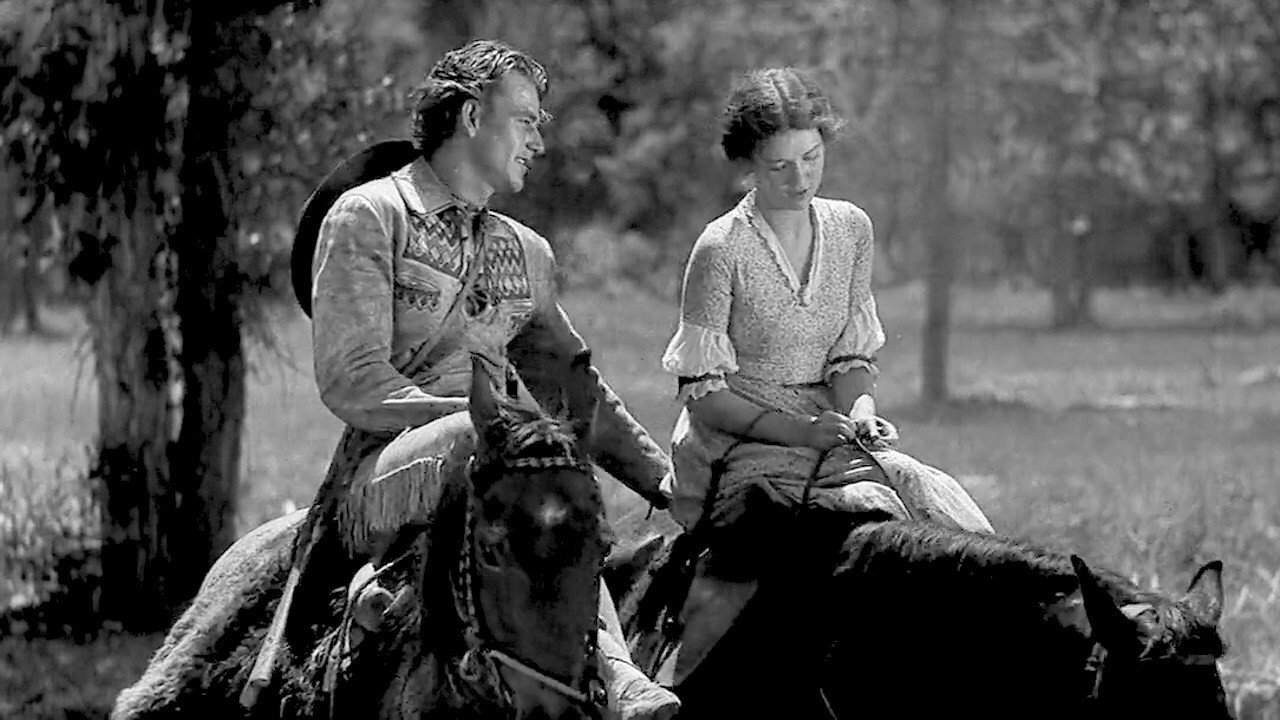
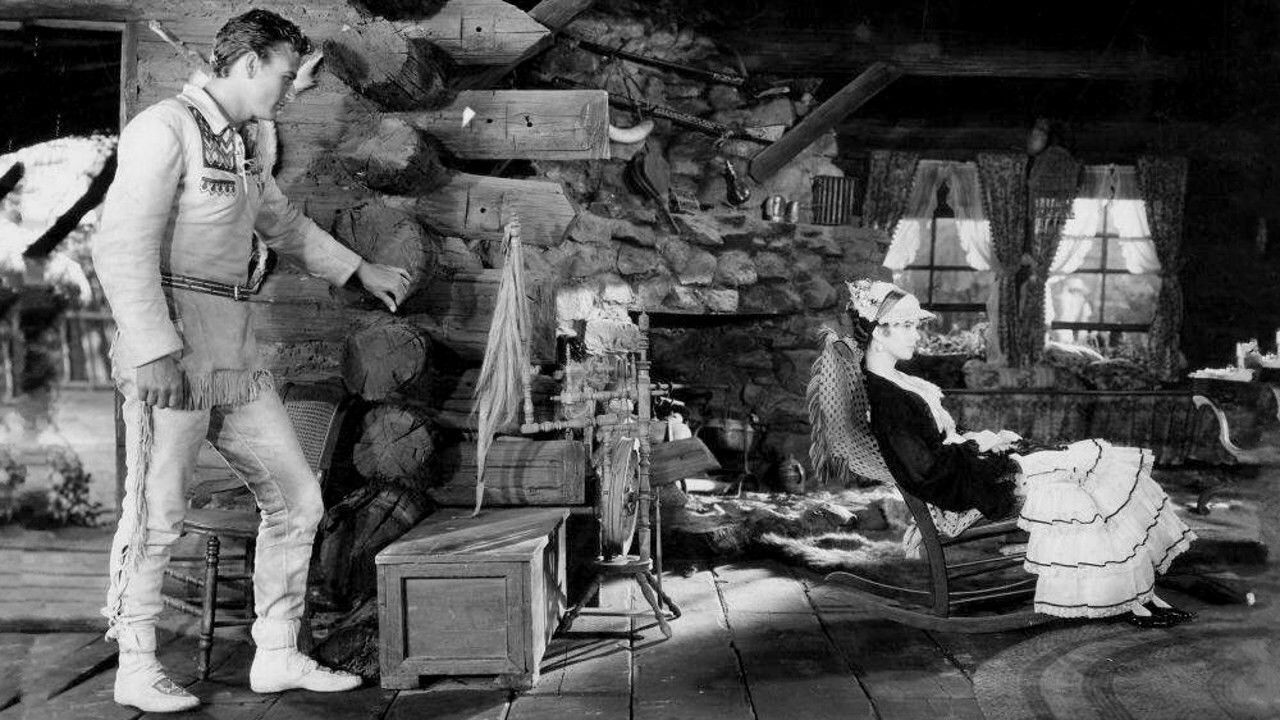
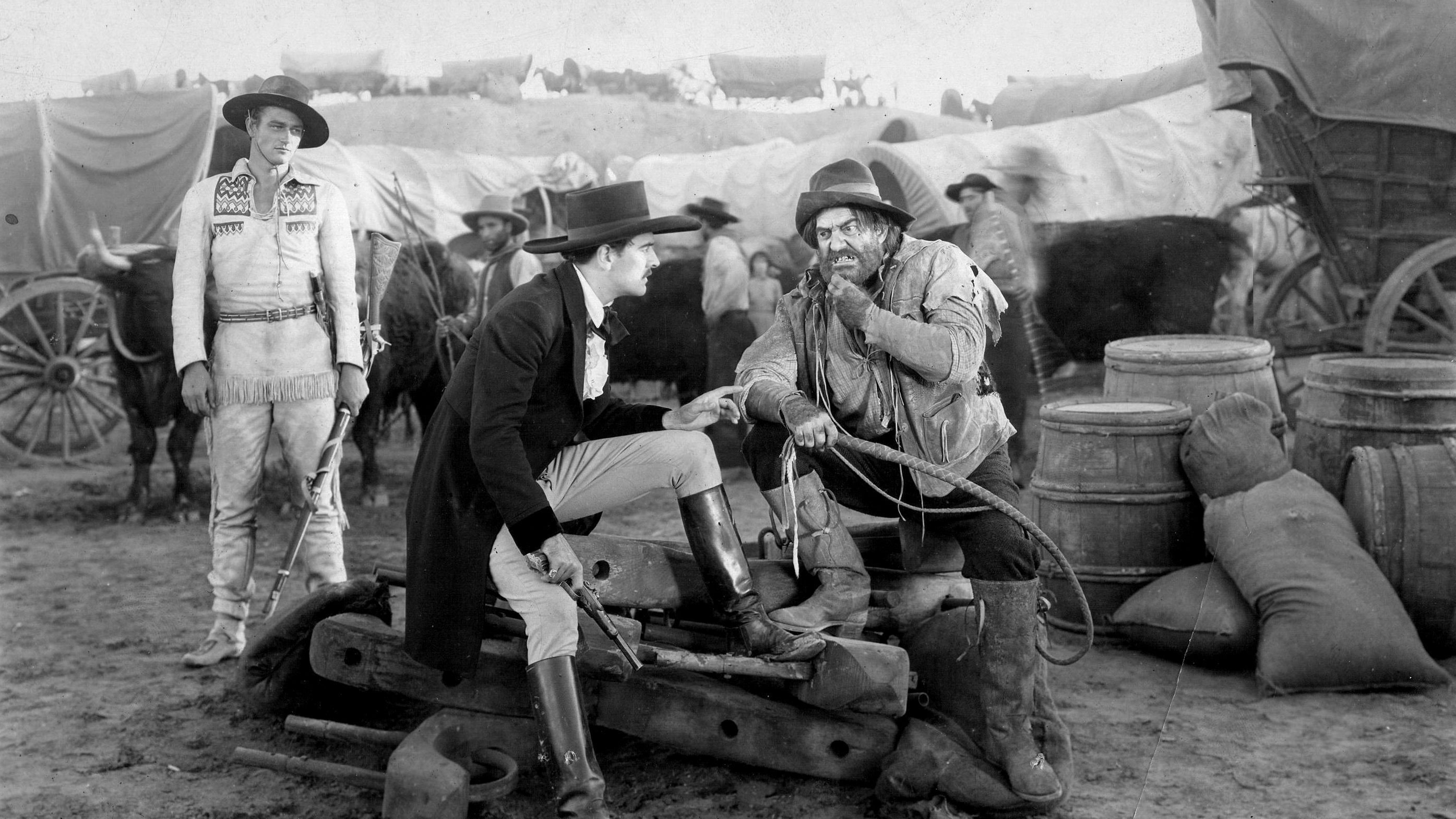
Plot: Young scout Breck Coleman leads a wagon train along the dangerous trail to Oregon as he tries to get the affection of the beautiful pioneer Ruth Cameron and plans his revenge on the harsh scoundrels who murdered a friend of his in the past.
Smart Tags: #zion_national_park #sequoia_national_park #yellowstone_national_park #western_frontier #wagon_train_scout #oxen_team #strife #pawnee_scout #prairie_dog_hole #oregon #song #singer #singing #trading_post #bullwhacker #shifty_half_breed #epic #covered_wagon #wagon_train #nation_building #wedding
Find Alternative – The Big Trail 1930, Streaming Links:
123movies | FMmovies | Putlocker | GoMovies | SolarMovie | Soap2day
Ratings:
 |  7.2/10 Votes: 3,951 |
 | 100% | RottenTomatoes |
 | N/A | MetaCritic |
 | N/A Votes: 83 Popularity: 7.387 | TMDB |
Reviews:
Unbelievable beautiful!
I just saw The Big Trail in Vienna’s Filmmuseum for the first time. Immediately I was astonished by both the pictures optical high quality and unusual format and by its beautifully detailed story. Who has ever seen such a documentary style western with John Wayne? And there is so much time, you can actually look around on the screen, there is so much to see! One is ever grateful that the scenes are often static, because every single shot is so well composed and you want to take it it. Even the acting is good and fits in well. The long running time of the picture is wonderful, you don’t want to miss a minute of it!
Review By: slabihoud
An Underrated Epic
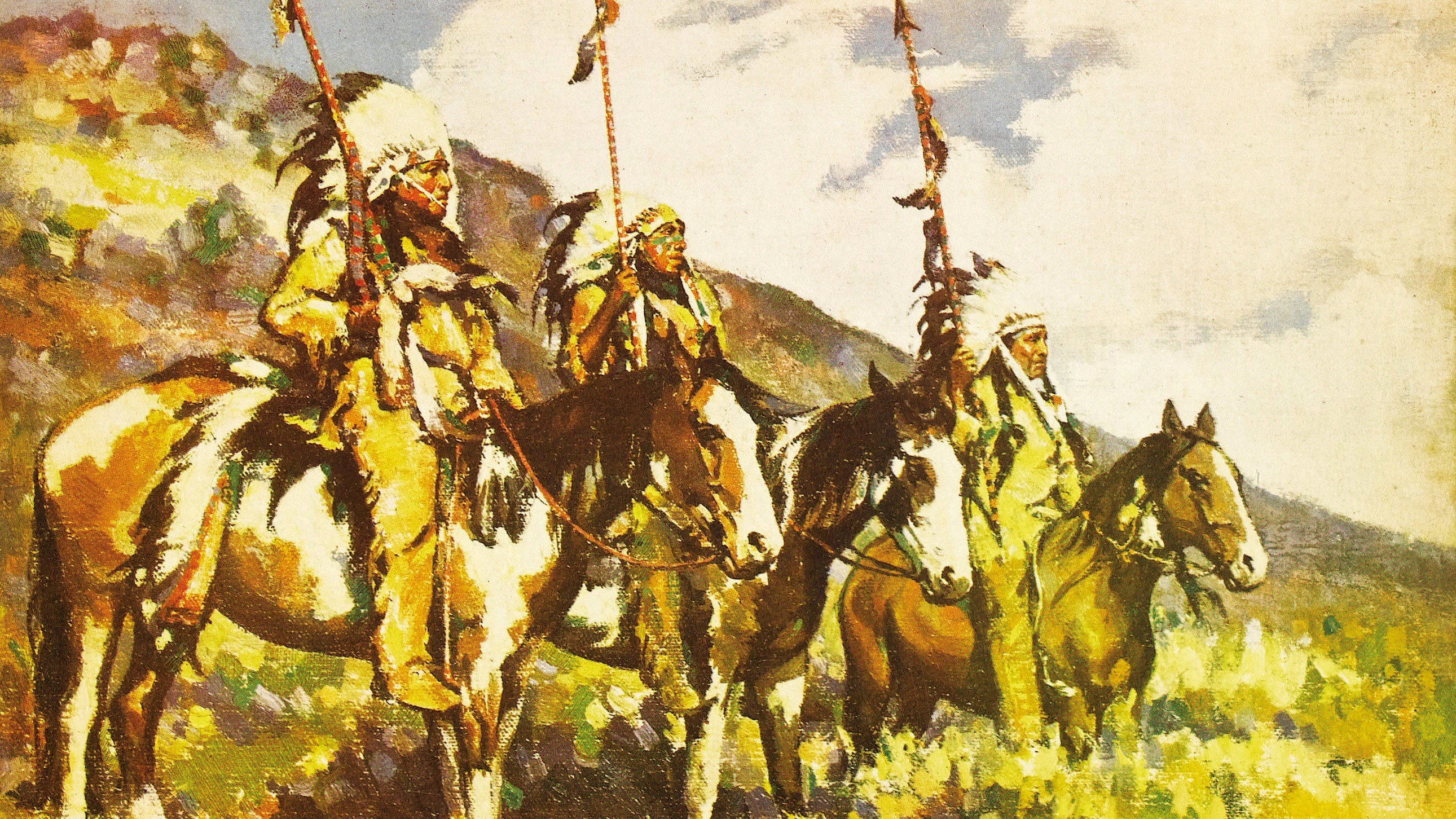
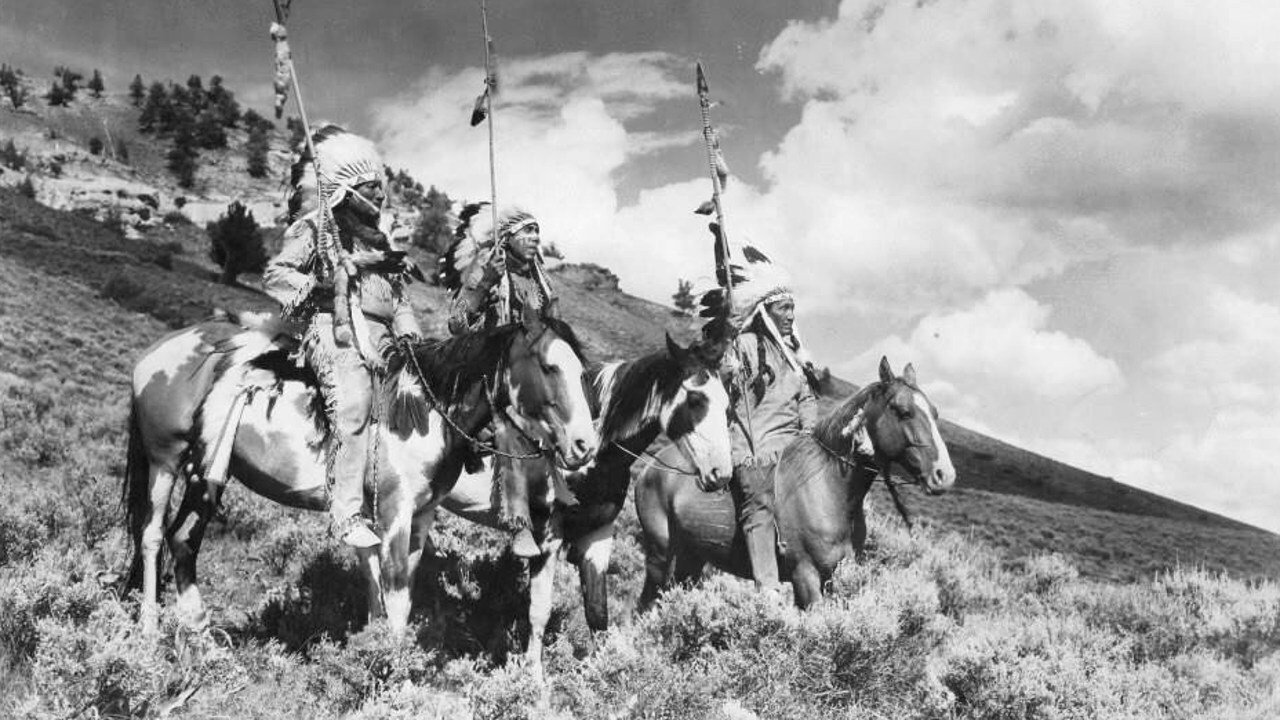
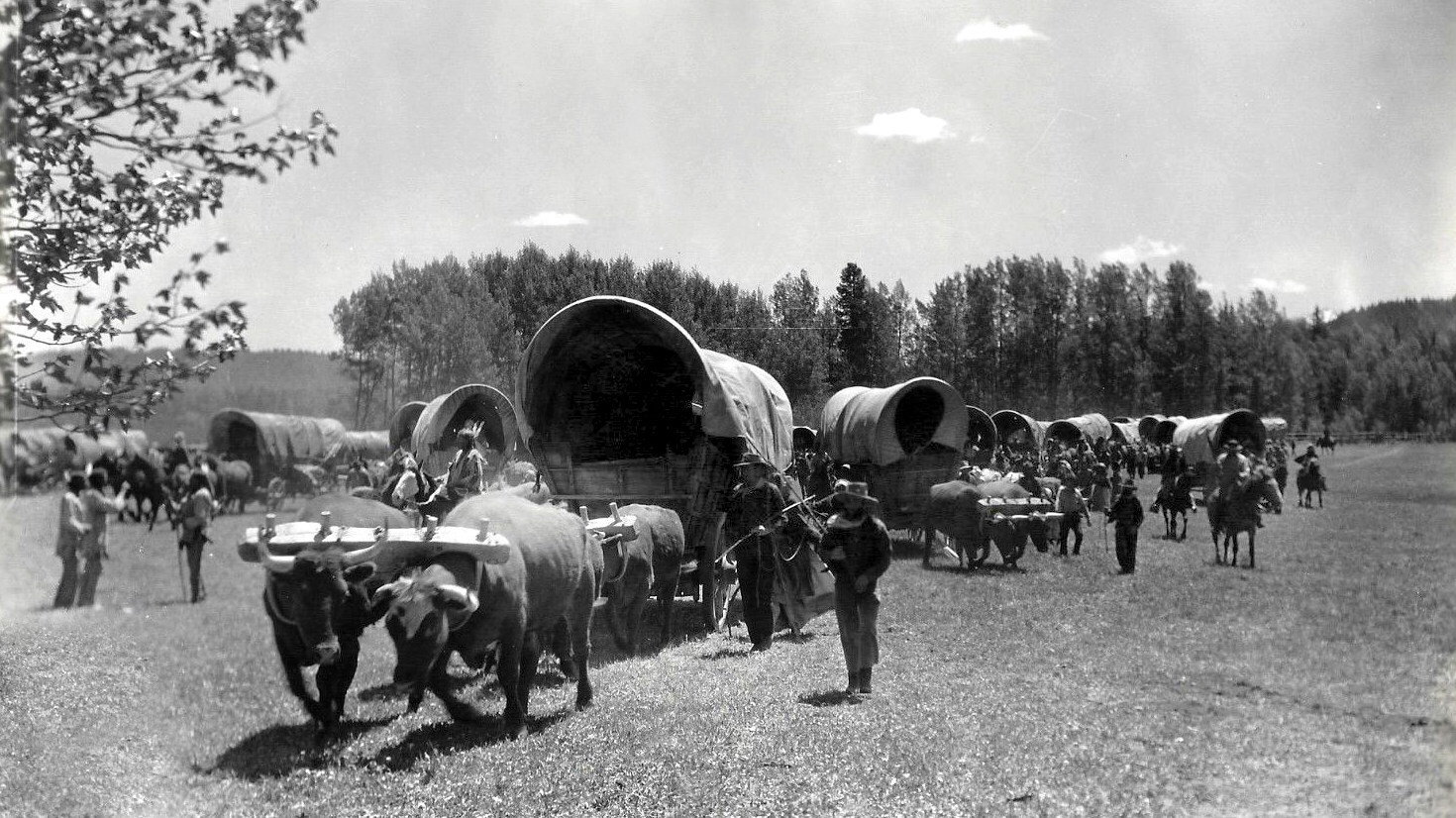
I just recently bought “The Big Trail” N/A. It’s an awesome, amazing film. I knew it by reputation but never expected it to be so magnificent. My version is the one shot in 35mm and I’ll speak of that again later. When one thinks of the Western Myth in film the names that come to mind are John Ford and John Wayne. Well, you have only half the team here, but the entire Myth is present. Raoul Walsh has given us a remarkable epic in which the true plot is the struggle of the westward expansion of the nation.There is a plot centering on a romance between Breck Coleman N/A and Ruth Cameron N/A with the main villain, Red Flack being memorably played by Tyrone Power, Sr. But this has an almost incidental quality as the wagon train struggles forward against incredible obstaclesboth natural and human. Examples are the crossing of the river, the Indian battle, and traversing the burning Desert. The aftermath of the battle is given a sombre touch when a doll is placed on the grave of a child killed while a faithful dog lies down on its master’s grave.
Magnificent panoramas are filled with energy and activity. The opening scene as the wagon train prepares to leave, the Square Dance interlude and the great Buffalo herds are some that spring to mind. Marvellous use is made of location shooting throughout. Another feature of this splendid film is the fact that men and women are given equal credit for their parts in the great struggle Westward. Women work, fight, and confront the terrible hardships with the same fortitude and strength as their male counterparts. The finale has a powerfully uplifting experience as Coleman and Cameron meet in the gigantic towering Sequoia forest to start their new life.
The acting is quite acceptable throughout. I’ve already mentioned Tyrone Power’s scene-stealing performance. Tully Marshall is excellent as Coleman’s sidekick, and Marguerite Churchill convincingly portrays a woman who develops an inner strength as she encounters her own problems as well as those external to herself. The comic-relief is the weakest aspect of this film, but these scenes are not common and are swallowed up in the tremendous sweep of the film.
I’ve read much criticism of Wayne’s performancesome even going so far as to blame his “wooden acting” for the failure of the film at the box-office. I think this is unfair. Wayne was in his first major role and certainly had not developed the charisma of his performance in “Stagecoach”. But he still does a serviceable job in a role which is certainly going to play second fiddle to the great over-arching theme. After “The Big Trail”, Wayne played in a large number of low-budget B Westerns. I have a number of these and one can see the developing actor in them. When “Stagecoach” came he was ready for it and “The Big Trail” was a significant part of that apprenticeship.
I mentioned earlier that my version is the one shot in 35mm. It’s still impressive, but to get some idea of the effect of the 70mm version I set the TV screen to 16:9 which doesn’t cause any distortion. While not having the complete effect of the Grandeur version, it was good enough to make me want to get the latter. N/A.
All-in-all, this film deserves to be in any list of the greatest Westerns ever made.
Review By: lyrast
Other Information:
Original Title The Big Trail
Release Date 1930-11-01
Release Year 1930
Original Language en
Runtime 2 hr 5 min (125 min), 2 hr (120 min) (FMC Library Print) (USA), 2 hr 2 min (122 min) (TCM print) (USA), 1 hr 48 min (108 min) (35 mm)
Budget 2000000
Revenue 0
Status Released
Rated Passed
Genre Adventure, Romance, Western
Director Raoul Walsh, Louis R. Loeffler
Writer Hal G. Evarts, Marie Boyle, Jack Peabody
Actors John Wayne, Marguerite Churchill, El Brendel
Country United States
Awards 1 win
Production Company N/A
Website N/A
Technical Information:
Sound Mix Mono (Western Electric System)
Aspect Ratio 1.20 : 1 (35 mm version) (sound on film version), 2.00 : 1 (70 mm version) (intended ratio), 2.13 : 1 (70 mm prints)
Camera N/A
Laboratory Karl Malkames for MOMA (uncredited) (restoration)
Film Length 3,448.35 m (14 reels) (35 mm version), 4,328.16 m (14 reels) (70 mm version)
Negative Format 35 mm (alternate regular version), 70 mm (nitrate)
Cinematographic Process Grandeur (70 mm version), Spherical (35 mm version)
Printed Film Format 35 mm (anamorphic) (reduction from 70 mm version), 35 mm (restored), 35 mm, 70 mm
Cast and characters
- John Wayne
- Marguerite Churchill
- El Brendel
- Tully Marshall
- Tyrone Power Sr.
- David Rollins
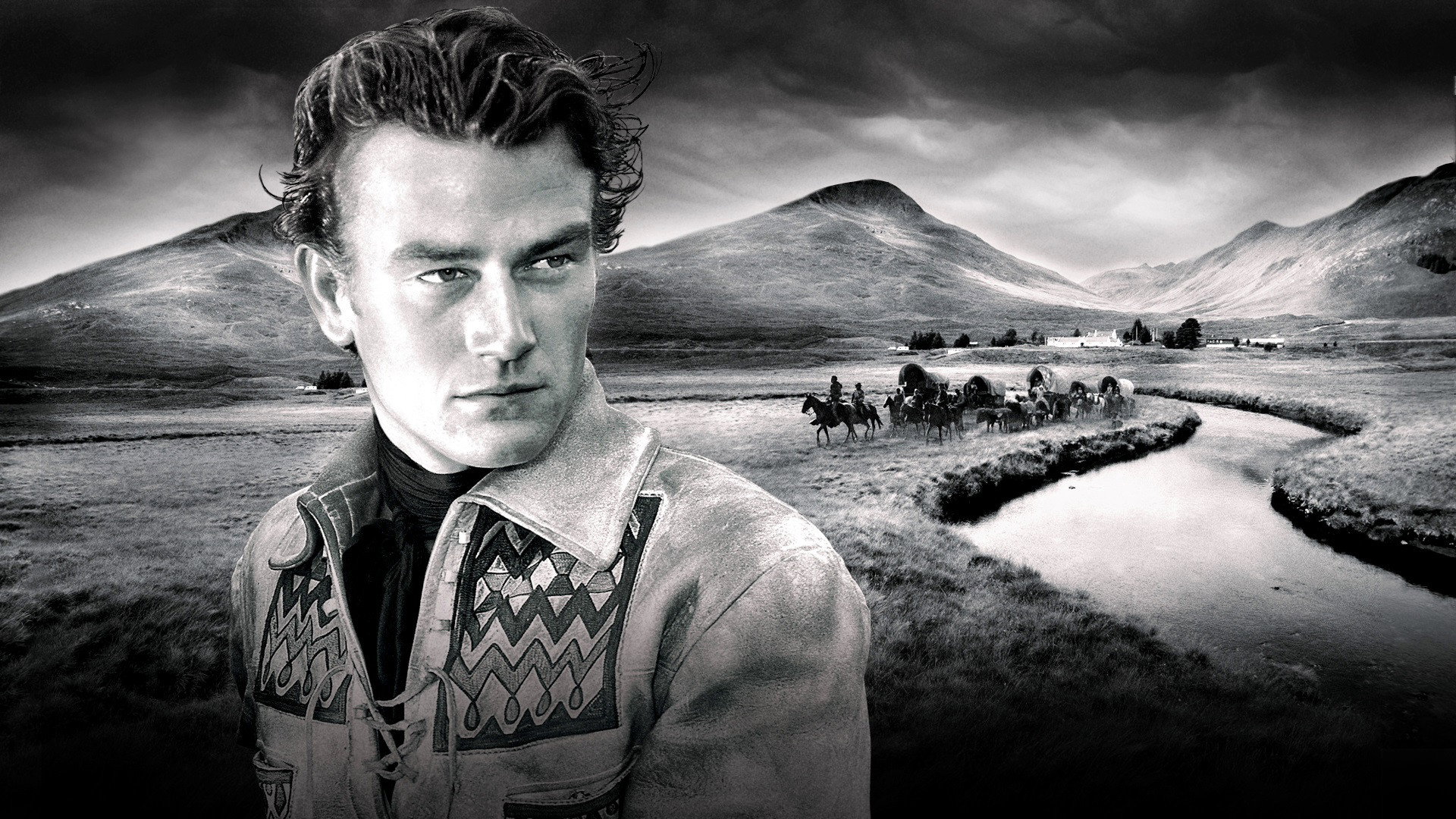
Original title The Big Trail
TMDb Rating 6.825 83 votes
Director

Director
Cast
Similar titles