










Video Sources 0 Views
Synopsis
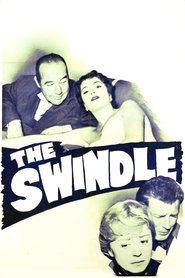
Watch: Il bidone 1955 123movies, Full Movie Online – Augusto, Carlo, and Roberto are scam artists who often work together. Middle-age divorced Augusto is the oldest, most seasoned in the business, and the trio’s spiritual leader. They either are immune to the notion that most of their victims are not wealthy–most uneducated, rural peasants–or don’t care that they make at most a few hundred thousand lira at a time. Each of the three is at a different stage of life, which makes Carlo and Augusto examine what they’re doing more critically, each stemming from a specific incident. Roberto, the youngest, still lives solely for the here-and-now and will take any money willingly. Carlo would like to make a living as an artist, hence his nickname of Picasso, if only it would support him, his loyal wife Iris, and their adolescent daughter Silvania. Carlo has told Iris that his frequent absences is in his work as a traveling salesman with Augusto, but she can no longer bury her head in the sand about what he’s doing upon a last-minute social evening out with his associates on New Year’s Eve. Augusto’s examination of his life begins upon a chance encounter with his young-adult daughter Patrizia, whom he had not seen in years and didn’t even recognize. Augusto is torn between what his money can afford in getting Patrizia on her feet as she contemplates extending her expensive education, versus being a role model to her..
Plot: Aging small-time conman Augusto works with two younger men: Roberto, who desires to become the Italian Johnny Ray, and Bruno, nicknamed Picasso. Through a series of mishaps and personal entanglements, things go badly for Augusto.
Smart Tags: #italy #con_man #peasant #new_year’s_eve #nightclub #new_year’s_eve_party #estranged_daughter #con_artist #impersonating_a_priest #father_daughter_relationship #chauffeur #treasure_map #skull #fake_priest #showgirl #hustler #reference_to_johnny_ray #movie_theater #fraud #humiliation #reference_to_pablo_picasso
Find Alternative – Il bidone 1955, Streaming Links:
123movies | FMmovies | Putlocker | GoMovies | SolarMovie | Soap2day
Ratings:
 |  7.5/10 Votes: 6,246 |
 | 100% | RottenTomatoes |
 | N/A | MetaCritic |
 | N/A Votes: 148 Popularity: 8.613 | TMDB |
Reviews:
‘Forgotten’ Fellini is unforgettable.
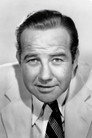
Though I’d seen Il Bidone many years ago on TV, I didn’t realise it was a Fellini film until the internet joined the dots between film titles and synopsises. I always did remember its starkness, its raw beauty and its redemptive narrative – and at last I bought the DVD and was reunited with this minor classic.This is where the re-watch proved its worth – the multi-layers of post- war Italian society; its Catholicism fighting at odds with poverty and corruption. The characters interweave their human stories to take us on various personal journeys. Fellini’s attempt to include American actors as the male leads, dubbed, fooled me – the oft drawling Broderick Crawford seemed perfect as the guilt-weary protagonist (aka The Swindler) who in actuality was often drunk on set.
For me, the audacious nature of the Swindlers in action, abusing the Catholic position of power by posing as high clergy and conning penniless peasants was bold; certainly for its time. Re-watching brought the trademark Fellini wild party in full swing – as wild and spirited as any he’s staged – all rather sickened and over-the-top; portrayed as being funded by immoral, criminal money and in total pursuit of power and hedonism. The ending is one of those that etches itself into your psyche, both haunting and provocative.
However, unlike most ‘popular’ Fellini films, the leads aren’t that likable and one doesn’t rally with them in the way of, say, Cabiria or La Strada. That maybe explains why this Fellini isn’t generally known, or loved. It’s actually rather closer to La Dolce Vita in tone and could be seen as a precursor to that classic.
Il Bidone isn’t the easiest film to watch and has its faults; a jarring narrative and inconsistencies that one accepts from amateur crowds on location. But this does add up to a naturally buzzing and strident film, balanced by occasional poignant moments of tenderness as consciences are so sorely pricked, it’s heartbreaking.
So, if you’re into Fellini, don’t let this one pass you by. The director is in his prime here, as voyeur and narrator rather than the self-satisfied but still genius of his indulgent 8 and a half.
Review By: tim-764-291856
Before you find “Il Bidone” sympathetic, keep in mind it’s part of their ‘job’ …
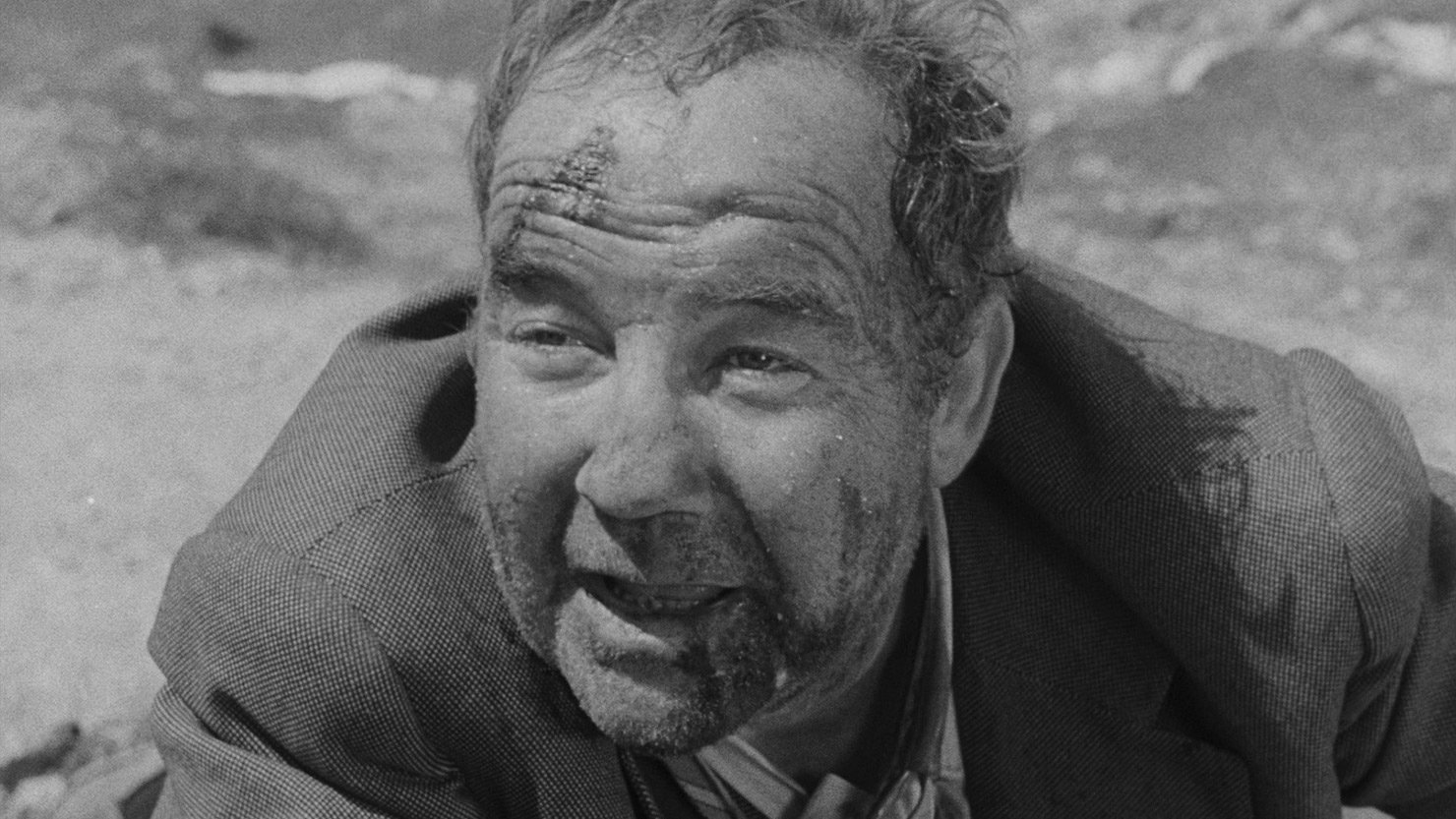
“Il Bidone” is the cinematic illustration of the middle-child syndrome, misunderstood and underrated, lost between two masterpieces. But I guess after a movie like “La Strada”, the best way for Fellini to handle his immediate worldwide popularity was to surprise, to make something completely different, which, in my opinion, he successfully did. Now, let’s go back to “Il Bidone”, ‘The Swindlers’.At first sight, “Il Bidone” starts a like the Italian version of “The Sting”, it’s about three men whose sordid business is swindling. The main character is Augusto, the veteran and leader who, after years of practice, got the expertise but not the spirit anymore. Broderick Crawford, who won an Oscar 6 years before for his gripping performance as Willie Stark in “All the King’s Men”, carries with his droopy tired-looking eyes, the tormenting weight of an ambiguous guilt. Is he bitter because he ruined people’s lives or because he still has to do it when some others retired and are having the great life, like an old colleague, Rinaldo. The ambiguity is crucial to prevent us from falling into the trap and root for any of these guys, remember : pretending to be, is part of their job, so is their trustful look.
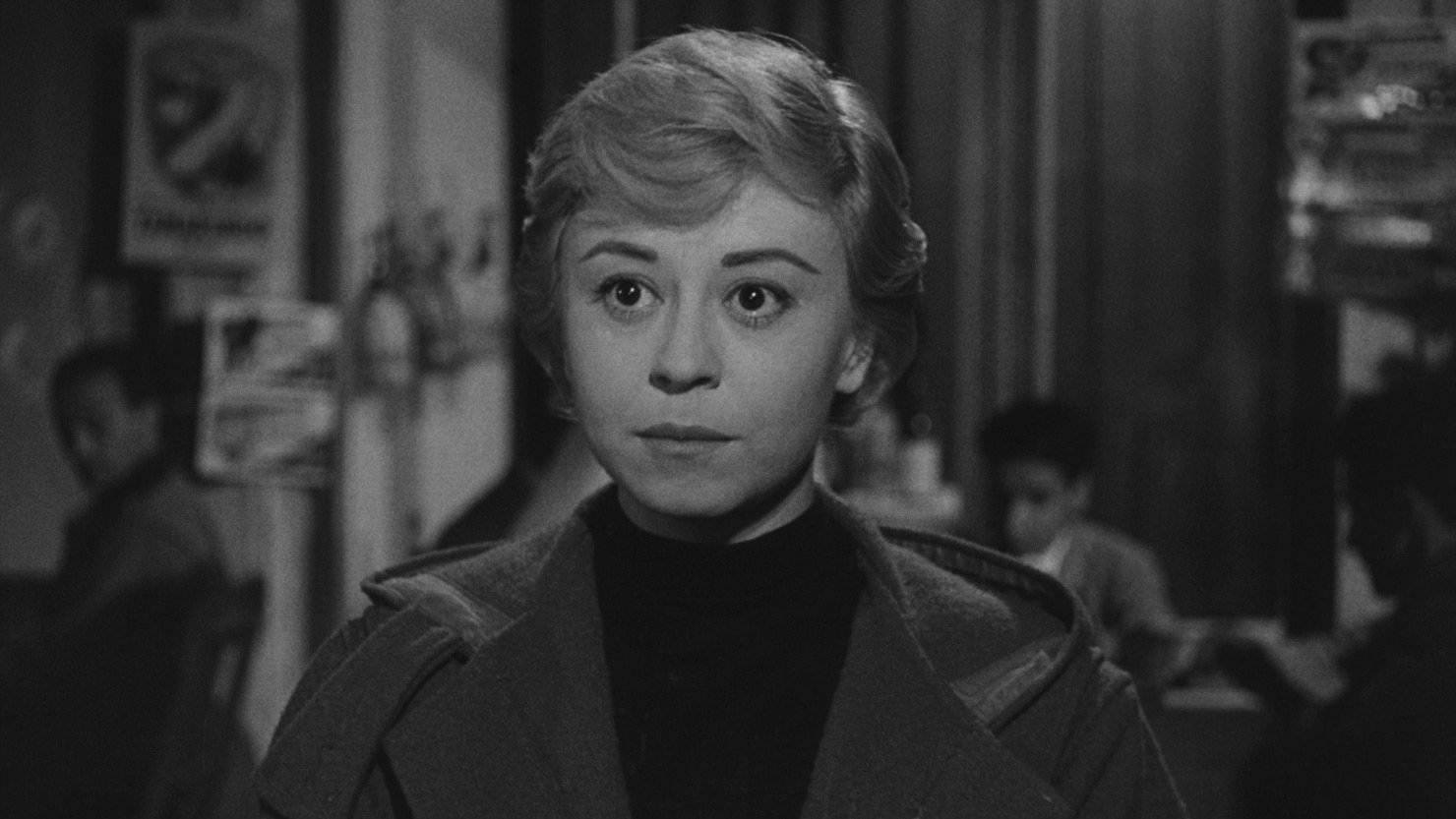
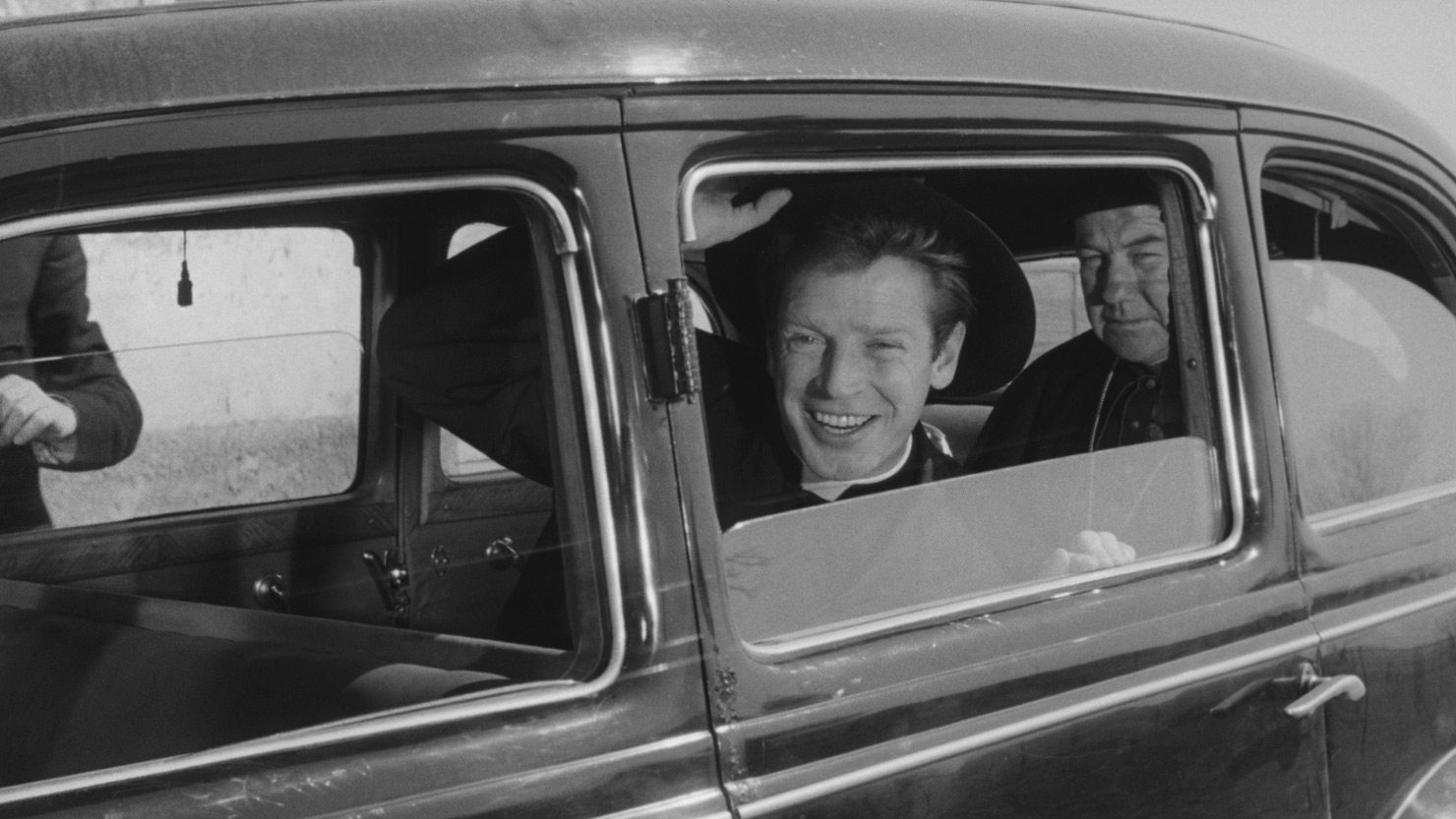
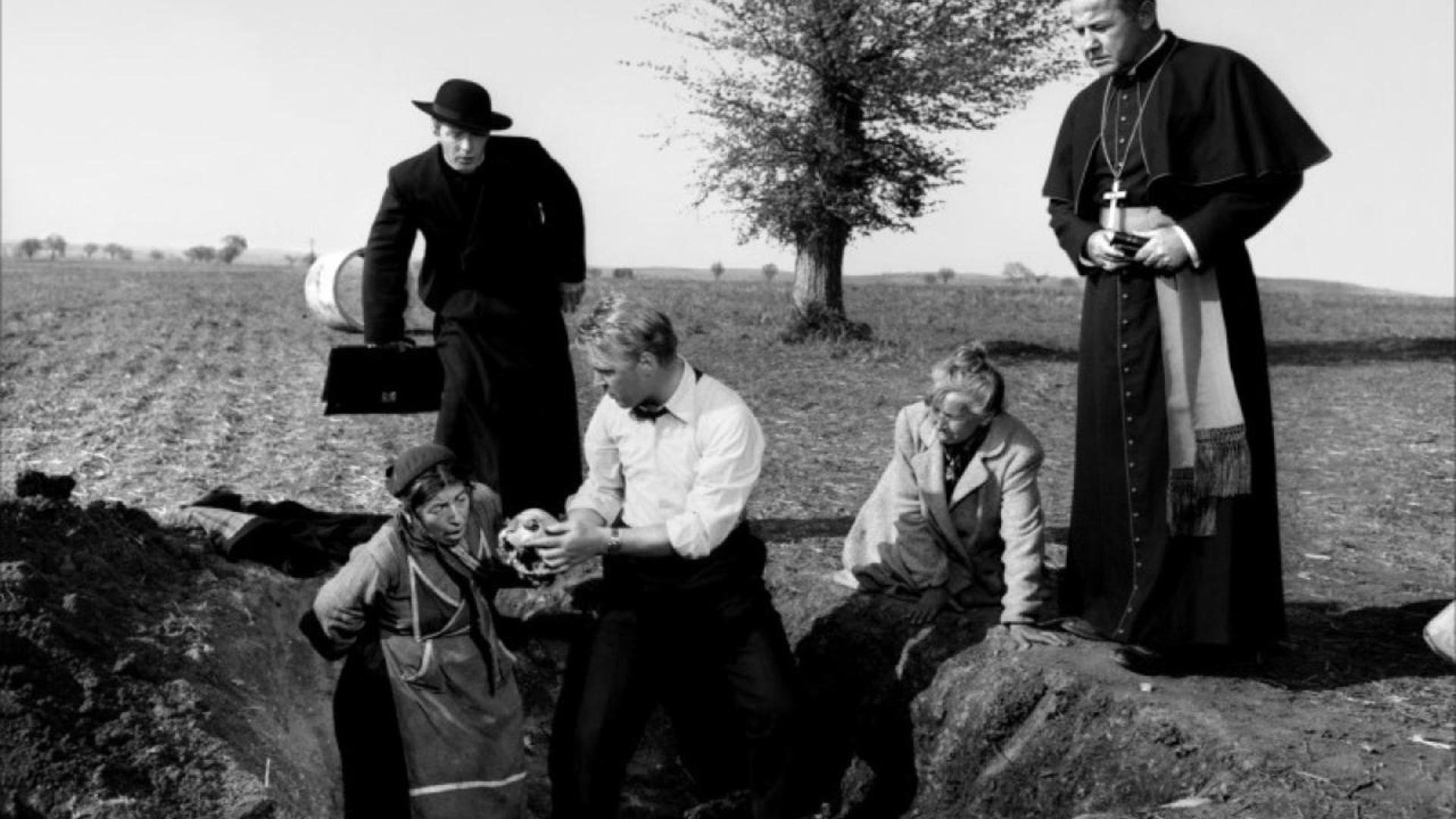
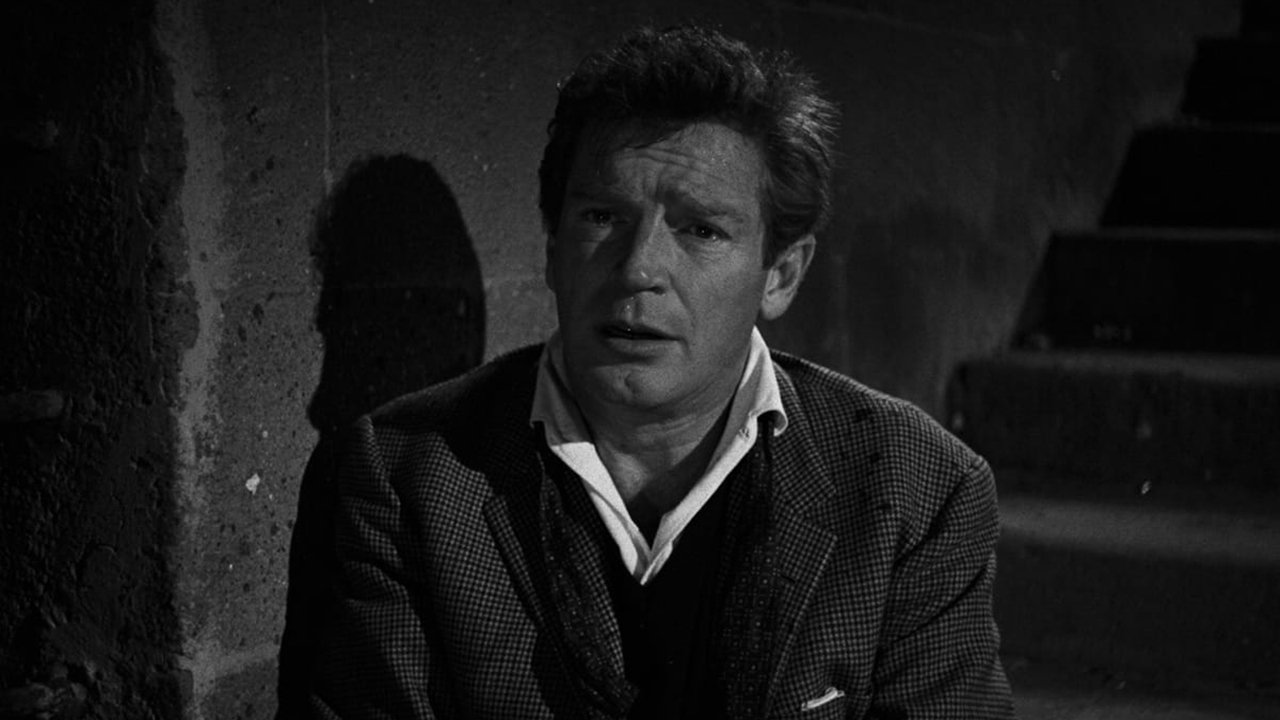
Speaking of that, Augusto’s second partner is Picasso, played by Richard Basehart who kept something of “La Strada”‘s Fool in his performance. Smiling, generous, funny, you’d really believe anything that would come from this young angel-faced father, maybe the only alibi to justify how his wife, Guiletta Masina, in a smaller role, still trusts him. And there’s Roberto, Franco Fabrizi, a solidly built blonde guy, whose joviality hides his totally unscrupulous nature, he’s the happiest character because contrarily to his partners, he never feels guilty and is ironically the ‘sincerest’ of the bunch. The trio may look sympathetic but from the audience’s view, despite the ingenious creativity displayed in their activities, like dressing up as Vatican clergy to cheat on poor peasants, or pretending to be government workers to take the money from homeless people, there’s no comparison with “The Sting”‘s con men.
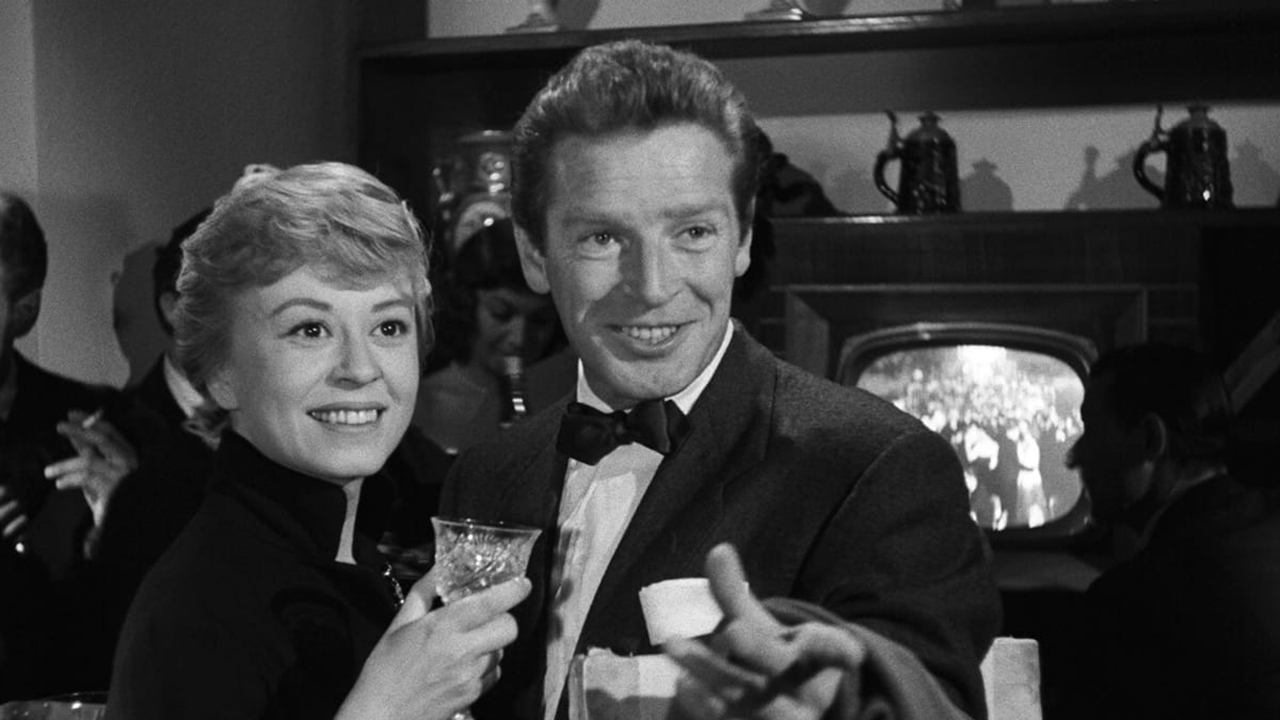
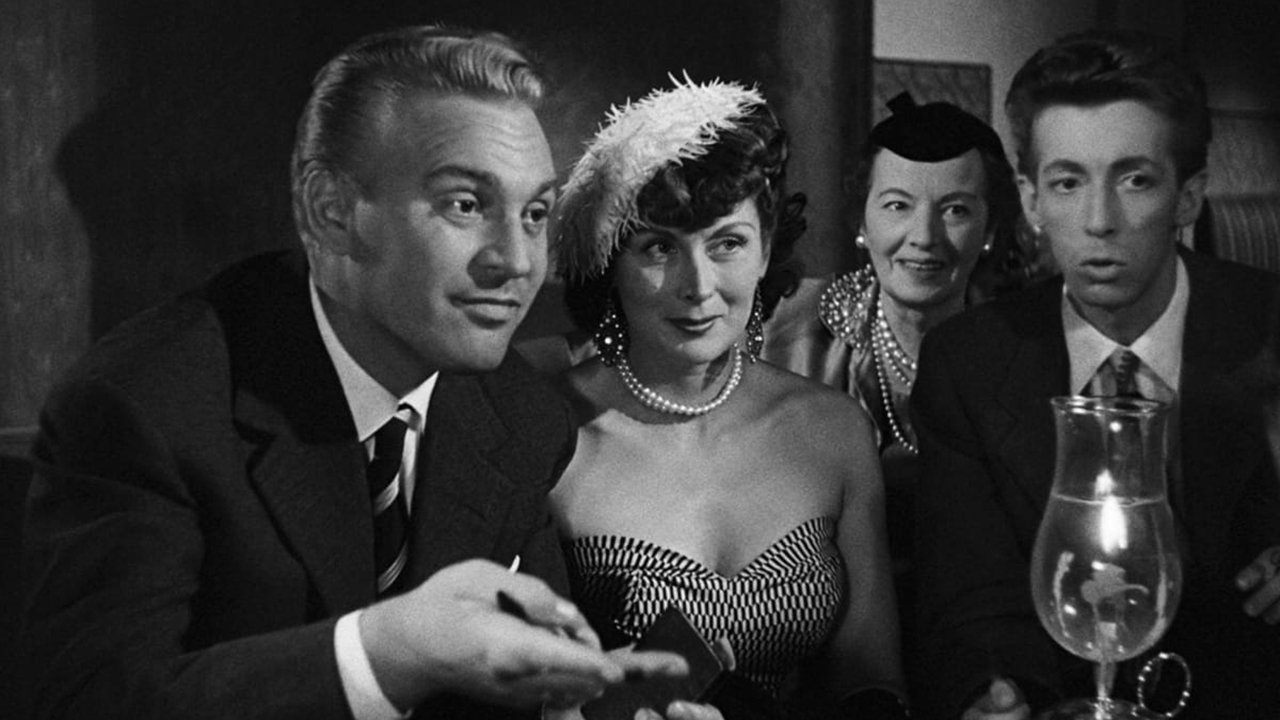
The trio is ‘bad people’ and Fellini trades all the extravagance and poetry of his previous films to create a powerful social commentary denouncing the inner injustices of the post-War Italian system. The contrast between the setting chosen for the business and the places were it is rewarded highlights this sad reality, I’m speaking of the famous New Year’s Eve party in Rinaldo’s house, a sequence that shows all the decadence and depravity planted on the ashes of so many burnt lives, and the smoke smell, sadly, doesn’t seem to bother anyone. This part has the music, the musicians, the dance, but not Fellini’s heart, we’re not invited to join but to disdainfully observe the party. There, an interesting episode happens after Roberto steals a golden cigarette pack. Before he leaves, Rinaldo blocks him the way and cordially invites him to give it back, and pretend it was a joke not to lose face. Roberto finally resigns himself, literally spilling his humiliation over Augusto’s reputation. But Roberto doesn’t care.
The film, somewhere loses its track in the middle, going in many directions when it should have focused on Augusto’s character. Is he really losing his touch because he’s gaining humanity? When his daughter discussed her future with him, he understands that she needs money. WHile this powerful moment could have enlightened Augusto about the value of earning money, in fact, in his rotten mind, he’s already planning to help her, through a con. Providence sends him a warning when he is publicly recognized in front of his daughter, by an ex-victim. He spent some time in jail, and at his release, instead of starting a new life, he wants to end his career with a coup d’éclat, knowing that Roberto already surpassed him and is doing well in Milan. Roberto didn’t care of being humiliated, neither did Augusto.
Augusto replays the clergy trick and receives again an ultimate warning when a young peasant’s daughter, polio-handicapped since the age of 9, seems smiling, full of life, and thanks God for what she got, unknowing his family is being cheated by men pretending to speak in the name of God. This scene works as an ultimate test for Augusto, to decide if he’s got a conscience or not. I almost felt it was God warning Augusto, offering him a last chance of redemption. But Augusto failed, not only did he take the money but also kept it away from his partners, pretending he let it to the family, out of guilt. That’s a twist you’d never seen before, and from good, the movie became great. Augusto broke the codes of con men the worst way, because his colleagues would have banned him, but not punished him if he really left the money. We know, he did it for his girl, but this act sealed his status as a miserable man, and the punishment he received was immediate.
And the scene explains the anticlimactic way Picasso left the business, he had a daughter too, and in a way, we see the future he prevented himself from or the past Augusto could have lived. Roberto , with his professional charisma and detachment, would probably become a future Rinaldo. While Augusto, like a martyr of his own condition, cheating on cheaters for selfish purposes, incarnated the total absence of integrity. To play a character like with such poignancy is incredible because we still feel sorry for him, we know there are people worse than him, who won’t get punished
“Il Bidone”, is an almost Scorsesian examination of a tormented soul totally unable to make up for its sins, annihilating any chance of redemption in a pervert world where the only Robin Hoods steal from the poor to the rich, and ultimately for their own pockets no room for Fellinian poetry in such a sad, cynical, reality
Review By: ElMaruecan82
Other Information:
Original Title Il bidone
Release Date 1955-10-07
Release Year 1955
Original Language it
Runtime 1 hr 53 min (113 min), 1 hr 40 min (100 min) (Argentina), 1 hr 35 min (95 min) (Spain), 1 hr 32 min (92 min) (USA), 1 hr 52 min (112 min) (original)
Budget 0
Revenue 0
Status Released
Rated Not Rated
Genre Comedy, Drama
Director Federico Fellini
Writer Federico Fellini, Ennio Flaiano, Tullio Pinelli
Actors Broderick Crawford, Richard Basehart, Giulietta Masina
Country Italy, France
Awards 2 nominations
Production Company N/A
Website N/A
Technical Information:
Sound Mix Mono (RCA Sound)
Aspect Ratio 1.37 : 1
Camera N/A
Laboratory Stacofilm S.p.a., Roma, Italy
Film Length 2,870 m
Negative Format 35 mm (Kodak)
Cinematographic Process Spherical
Printed Film Format DCP Digital Cinema Package, 35 mm
Cast and characters
- Broderick Crawford
- Giulietta Masina
- Franco Fabrizi
- Richard Basehart
- Lorella De Luca
- Xenia Valderi

Original title Il bidone
TMDb Rating 7.311 148 votes
Director
Director
Cast
Similar titles